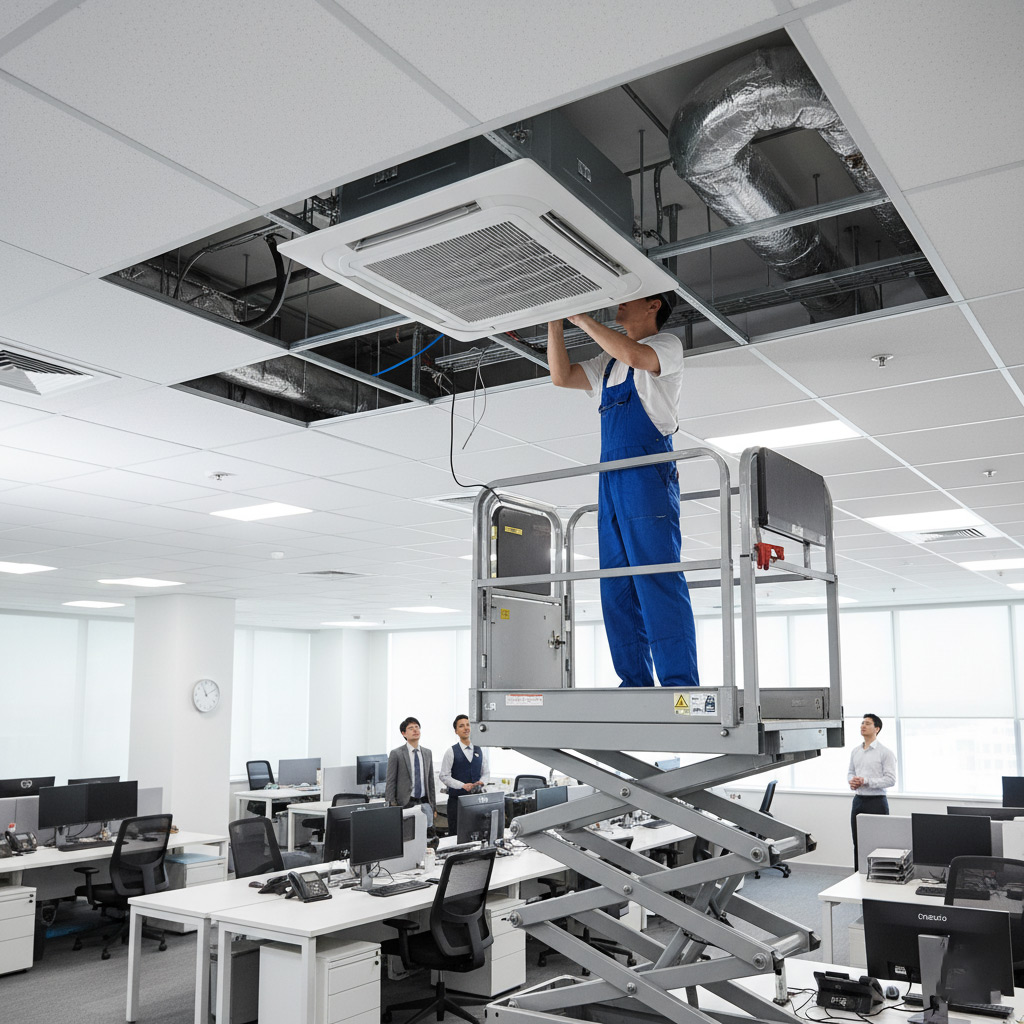
Your AC just let out a rattling scream and the whole house feels like a beach‑side sauna—panic sets in, right?
In Huntington Beach the sun doesn’t take a day off, and a busted HVAC unit can turn a perfect summer day into a nightmare fast. Knowing the right moves can save you from sky‑high bills and endless service calls.
Most homeowners waste time guessing at the problem, calling the first tech they find, or trying DIY fixes that end up costing more. This guide cuts through the noise, giving you the exact playbook to spot, troubleshoot, and repair your system like a pro.
Stay with us and we’ll walk you step‑by‑step through the most common failures, the tools you really need, and the secrets to keep your unit running smooth all year long.
Understanding Your HVAC System: Core Components and How They Operate
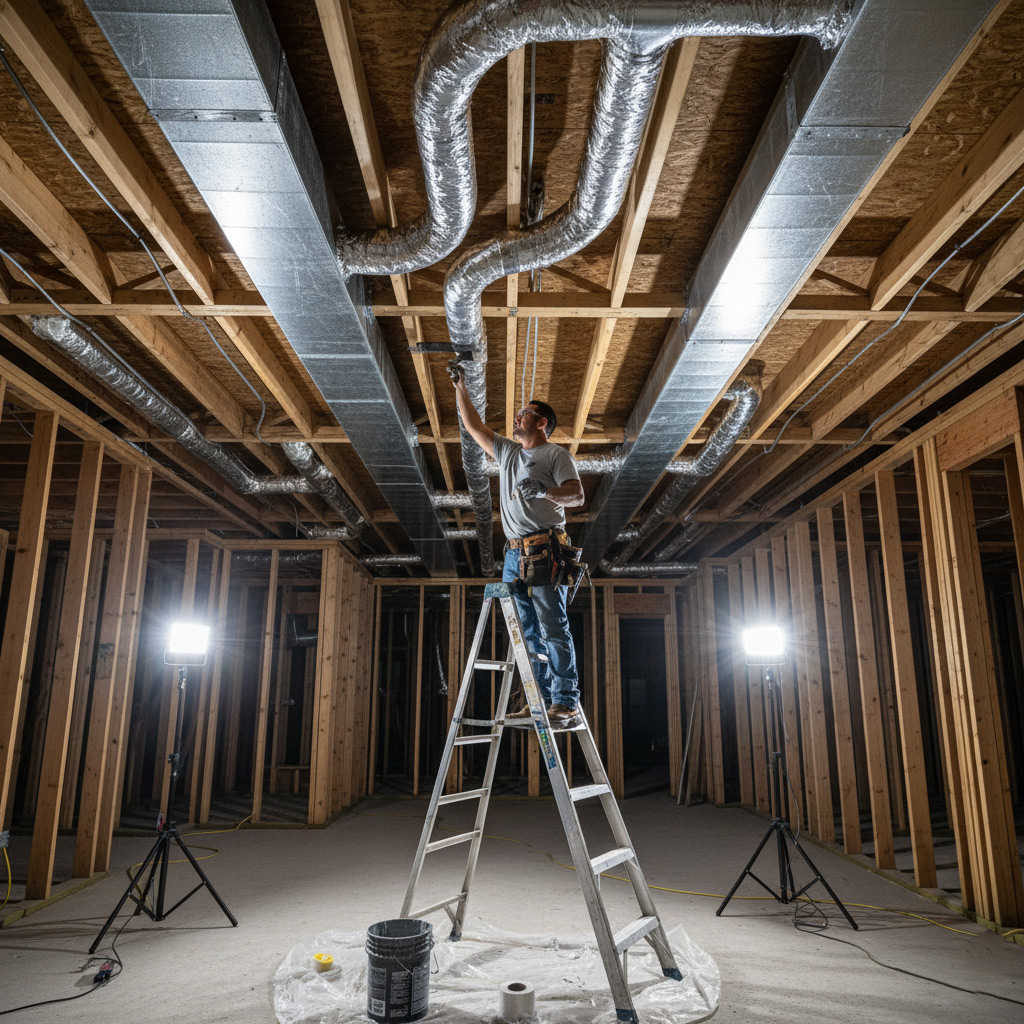
Before you can fix anything, you need to know what you’re dealing with. An HVAC system isn’t a mystery box; it’s a team of parts that each have a job. When one player drops the ball, the whole house feels the heat.
Core Components
- The furnace – burns fuel or uses electricity to heat air.
- The air conditioner’s condenser – releases heat outside so indoor air stays cool.
- The evaporator coil – absorbs heat from the indoor air as refrigerant passes through.
- The thermostat – tells the system when to kick on or shut down.
- The ductwork – carries conditioned air to every room.
How they work together is simple: the thermostat senses temperature, signals the furnace or AC, the blower pushes air across the coil, and the ductwork spreads it. If any link in that chain stalls, you’ll notice uneven temps, strange noises, or a spike in your electric bill. Knowing each piece lets you spot the weak spot before it becomes a full‑blown emergency.
The Most Common HVAC Failures in Huntington Beach and Their Warning Signs
Living on the coast means your system fights salty air, scorching sun, and occasional power spikes. When anything goes wrong, the heat hits fast and the bills climb higher. Spotting the trouble early saves you from a full‑blown emergency.
Refrigerant Leaks
A low‑charge system can’t pull heat out of your home, so you’ll feel the indoor temperature creep up even though the thermostat says “cool.” Look for these tell‑tale signs:
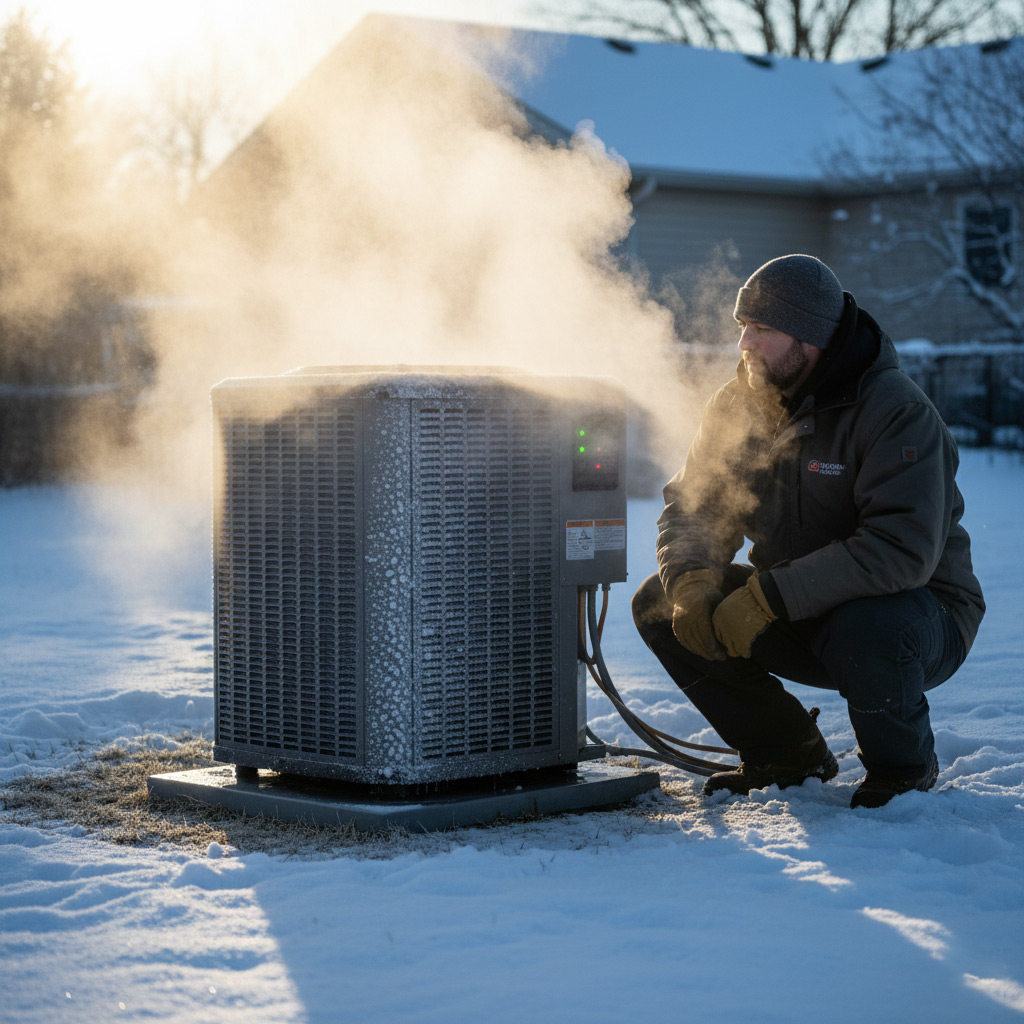
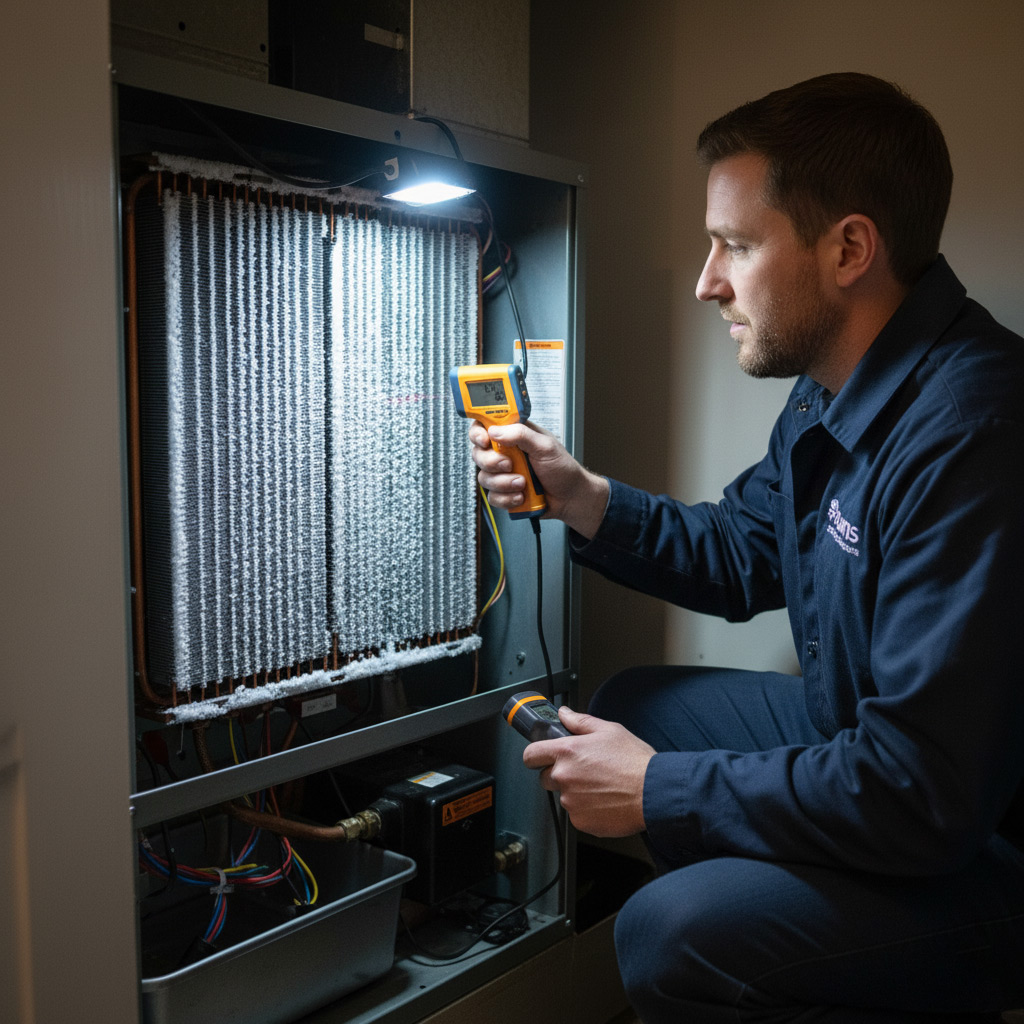
- Ice buildup on the evaporator coil or suction line.
- Hissing or bubbling sounds near the outdoor unit.
- Warm air blowing from vents despite the fan running.
Thermostat & Electrical Glitches
When the brain of your HVAC quits, the whole body goes limp. The most common red flags are:
- Thermostat display flickers or resets on its own.
- System cycles on and off rapidly—what pros call “short‑cycling.”
- Fuses or circuit breakers trip repeatedly after the unit starts.
DIY Troubleshooting: Essential Tools, Safety Tips, and When to Stop
Before you start pulling wires, make sure you’ve got the right gear in hand. A well‑stocked toolbox can turn a guess‑work nightmare into a quick fix, and it keeps you from scrambling for a screwdriver mid‑repair.
Essential Tools for the Homeowner
- Multimeter – checks voltage, continuity, and resistance.
- Thermostat probe – verifies actual room temperature versus set point.
- Fin cleaning brush – clears debris from coils without bending the fins.
- Adjustable wrench set – handles nuts on refrigerant lines and condensate drains.
- Flashlight with a red filter – preserves night‑vision while you work in dark corners.
Having these items on the shelf means you won’t waste time hunting down a neighbor’s tool bag. It also signals to any future technician that you respect the equipment, which can speed up their diagnosis.
Safety First: What Not to Skip
- Turn off power at the breaker before opening any panel – never rely on the “off” switch on the unit.
- Wear insulated gloves and safety glasses – a stray spark can singe more than just your eyebrows.
- Check for refrigerant leaks with a leak detector; if you smell gas, back away and call a pro.
- Never attempt to recharge refrigerant yourself – it’s illegal without certification.
These precautions keep you from turning a simple fix into a costly injury. If anything feels off, pause and reassess.
When to Call the Pros
If the multimeter reads no voltage after you’ve confirmed the breaker is on, that’s a red flag. Likewise, a humming motor that won’t start, or a frozen coil that won’t thaw after a thorough cleaning, signals a deeper issue.
At that point, stop the DIY and schedule a licensed technician. Pushing past the warning signs often leads to blown compressors, higher repair bills, and a longer wait for comfort.
Selecting a Reliable Repair Service: Licensing, Reviews, and Pricing in HB
Check the License and Insurance
California requires every HVAC contractor to hold a C‑46 license. Ask to see the number and verify it on the Contractors State License Board website. Without a valid license, you’re gambling with safety and code compliance.
Insurance isn’t optional. A reputable tech will carry both general liability and workers’ comp. That protects your home if a tool falls or a technician gets hurt on the job.
Read Real Reviews, Not Just Star Ratings
Google and Yelp give you the headline score, but dig into the comments. Look for patterns: quick response times, clean work areas, and honest estimates. One or two bad reviews are normal; a flood of complaints about “extra fees” is a red flag.
- Ask neighbors or local Facebook groups for personal referrals.
- Check the Better Business Bureau for unresolved disputes.
- Call the company and request a reference from a recent client.
Price Transparency Matters
Good techs provide a written estimate before lifting a wrench. The quote should break down labor, parts, and any service fees. Beware of “low‑ball” offers that balloon after the job starts.
Ask if they charge a flat rate for diagnostics or a per‑hour fee. A clear pricing structure lets you compare apples‑to‑apples with other local firms.
Preventative Maintenance Checklist: Keep Your Unit Running Smooth All Year
Think of your HVAC like a car—regular oil changes keep the engine humming, and a quick filter swap stops the whole system from choking. A few minutes each month can save you a callout when the heat wave hits.
Monthly Quick‑Hit Tasks
- Inspect the outdoor condenser for debris; clear leaves, sand, and sea‑salt buildup.
- Check the indoor air filter; replace if it looks darker than a midnight tide.
- Listen for odd noises; a rattling fan or humming coil often signals a problem before it blows up.
When you spot something off, don’t wait for the next weekend. A simple coil cleaning spray or a new filter can keep the system from grinding to a halt. If you’re not comfortable with the coil, call a pro—better safe than sweating.
Seasonal Deep‑Dive
- Spring: Test the thermostat calibration; set it to “auto” and watch the cycle.
- Summer: Verify refrigerant pressure with a gauge; low pressure means a leak is lurking.
- Fall: Lubricate fan motors and tighten any loose bolts on the outdoor unit.
- Winter: Cover the condenser with a breathable tarp to shield it from salty ocean breezes.
Mark these dates on your calendar, set a reminder on your phone, and treat the checklist like a bill you can’t ignore. A well‑tuned HVAC not only beats the heat, it also trims your energy bill—something every Huntington Beach homeowner loves.
Case Study: Rapid Restoration of a Coastal Home’s AC After a Power Surge
When a sudden power surge knocked out the AC in a beachfront property, the owners were sweating in a 92‑degree house. The surge fried the outdoor condensing unit’s capacitor, and the indoor blower motor began humming erratically. Within minutes, the homeowner called our 24‑hour service line.
What We Did
Our tech arrived in under 45 minutes, ran a quick diagnostic, and confirmed the capacitor was toast.
- Replaced the damaged capacitor with a marine‑grade, surge‑protected model.
- Inspected wiring for hidden damage; found none.
- Reset the system and ran a full start‑up test.
Result: The AC kicked back on, delivering 18,000 BTU of cool air within 10 minutes. The homeowner breathed a sigh of relief and avoided a costly replacement.
Key Takeaways
Power spikes are common in coastal zones where lightning strikes are frequent.
Invest in a whole‑house surge protector and schedule a post‑surge inspection. A quick fix can save you from a full‑system overhaul and keep your home comfortable all summer long.
Final Words
Living in Huntington Beach means the sun never quits, so your HVAC can’t afford to. Keep the system humming by treating every warning sign like a red flag, not a suggestion. When you combine a quick visual check with the HVAC Repair checklist, you’ll dodge most breakdowns before they hit your wallet.
Your Action Plan
- Inspect filters monthly – clean or replace before they choke the airflow.
- Listen for odd noises – rattles, squeals, or clicks usually mean a loose part.
- Check thermostat settings – a mis‑programmed schedule can waste energy.
Stick to this routine and you’ll stay ahead of the heat. If anything feels off, don’t gamble with a DIY fix that could void your warranty.
When to Call the Pros
- Compressor won’t start after a power surge.
- Refrigerant levels look low – only a licensed tech can safely recharge.
- Repeated short‑cycling or constant cycling.
Those are the moments you hand the keys to a certified technician. A quick call now saves you a frantic, costly repair later. Keep the cool coming, and enjoy every beach day without sweating the small stuff.
People Also Ask
What are the main components of an HVAC system in a Huntington Beach home?
The core components include the furnace or heat pump, air conditioner, thermostat, ductwork, and ventilation fans. Each part works together to heat, cool, and circulate air throughout the house.How can I tell if my HVAC unit needs professional repair?
Look for warning signs such as reduced airflow, strange noises, foul odors, or frequent cycling on and off. If these symptoms persist after basic troubleshooting, it’s time to call a licensed technician.What basic tools do I need for DIY HVAC troubleshooting?
Essential tools include a digital multimeter, a screwdriver set, a refrigerant pressure gauge, and a flashlight. Always wear safety gloves and goggles, and never attempt repairs involving refrigerant or electrical components without proper training.How do I choose a reputable HVAC repair service in Huntington Beach?
Verify the company’s licensing, read recent customer reviews, and request a detailed written estimate. Compare pricing, but prioritize technicians who are certified by NATE or similar organizations.What regular maintenance tasks can prevent costly HVAC breakdowns?
Replace or clean air filters monthly, inspect and clean the condenser coils quarterly, and schedule professional tune‑ups twice a year. Keeping the system free of debris and ensuring proper refrigerant levels extends its lifespan.
Huntington Beach HVAC brings over 15 years of residential and commercial climate‑control expertise to the Huntington Beach community. Their certified technicians specialize in energy‑efficient installations, preventative maintenance, and rapid repairs, ensuring comfort year‑round. As a locally owned company, they understand the unique coastal climate challenges and tailor solutions to each client’s needs.
Need HVAC?
We provide fast, results‑driven solutions for homes and businesses in Huntington Beach and nearby ZIPs (92646, 92648, 92649, 92618, 92615). Our team completes projects on schedule, so you can move forward without delay.
Get HVAC Quote