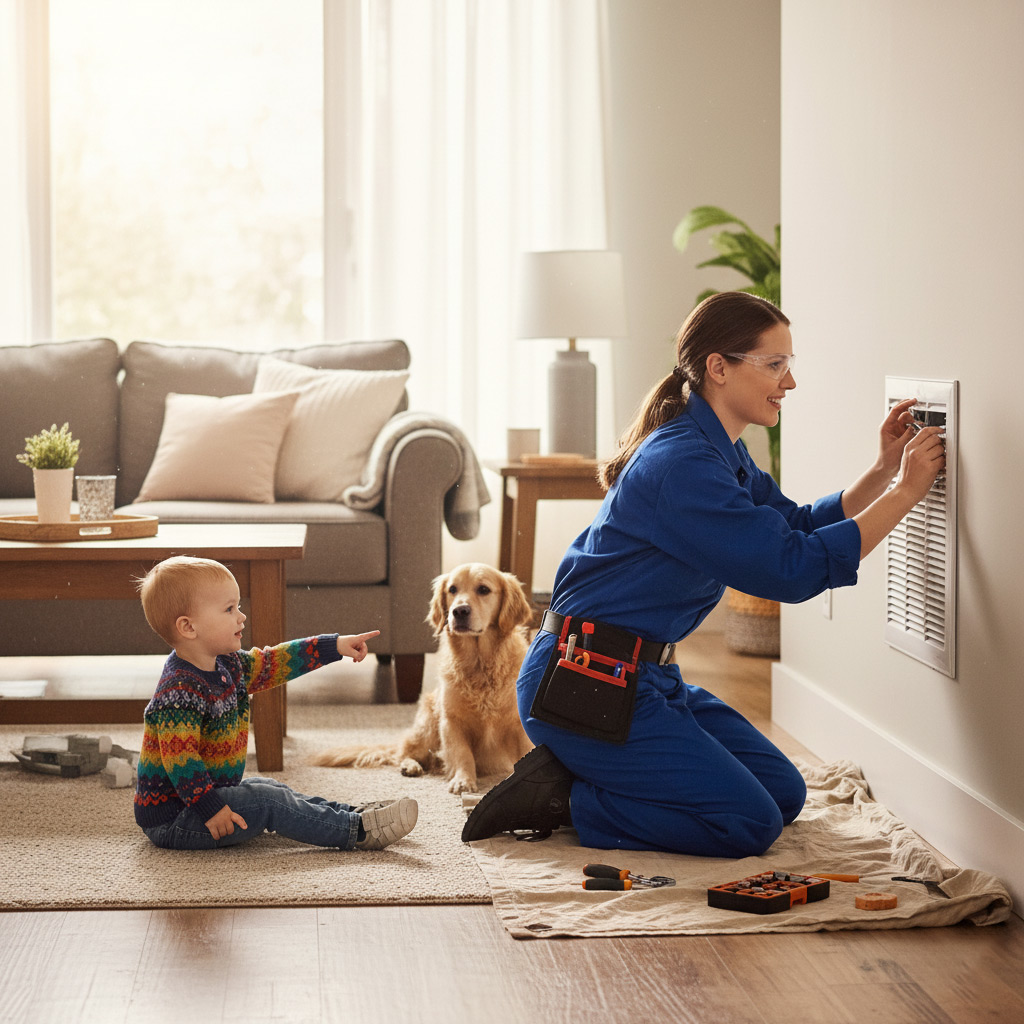
Picture this: you step into a freshly built home on the Huntington Beach coast, and the air greets you like a perfectly tuned instrument—cool when the sun blazes, warm when the ocean breeze fades.
That feeling isn’t luck; it’s the result of a solid HVAC blueprint that respects salty air, scorching summers, and those sudden coastal fog rolls. Without a clear plan, you’re gambling with comfort, energy bills, and the lifespan of your equipment.
Most homeowners jump straight to “buy the biggest unit” or “just slap on a thermostat,” only to discover they’ve built a house around a mis‑matched system. A step‑by‑step roadmap cuts the guesswork, saves cash, and keeps the indoor climate humming year after year.
Ready to see exactly how each phase fits together and why skipping a single step can cost you thousands? Keep reading and we’ll walk you through the whole process, no fluff, just results.
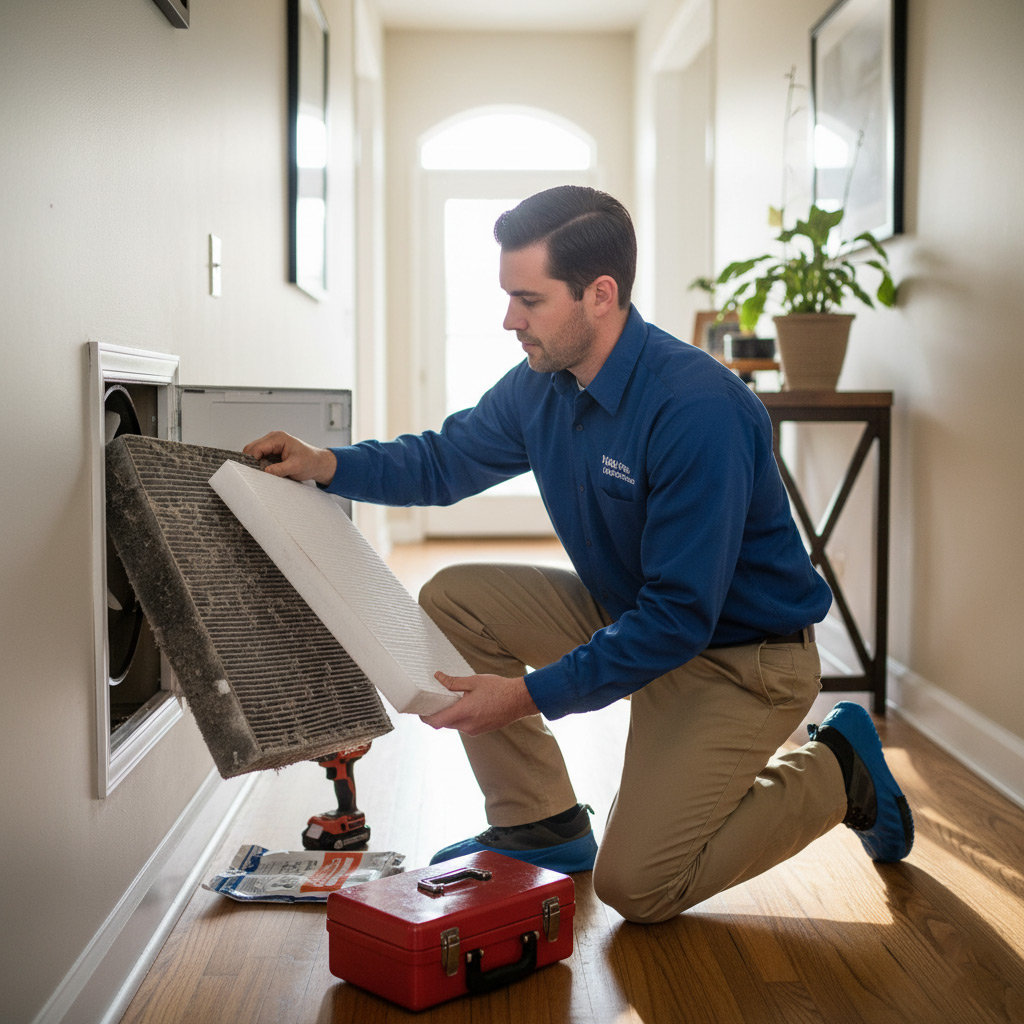
Understanding the Unique Climate Challenges of Huntington Beach
Huntington Beach lives on a thin line between scorching summer sun and cool, salty breezes. The ocean moderates daytime heat, but humidity can climb to uncomfortable levels, forcing any HVAC system to work harder than it would inland. Ignoring these nuances means you’ll see higher utility bills and premature wear on equipment.
Winter brings fog that rolls in like a blanket, dropping temperatures just enough to make heating necessary, yet the same salty air accelerates corrosion on metal components. Designers who forget the fog factor often end up with ducts that freeze or condensate, creating mold hotspots. A system that can adapt to both heat spikes and chill‑down periods is non‑negotiable.
Key Climate Factors to Consider
- Average high summer temps: 78‑85°F, with peaks over 90°F on inland days.
- Humidity levels that linger above 70% during late afternoon.
- Coastal fog episodes that can lower temps by 10‑15°F overnight.
- Salt‑laden air that speeds up corrosion on coils, vents, and ductwork.
- Strong sea breezes that create uneven temperature zones across a floor plan.
Conducting Precise Load Calculations and Duct Design
Why Manual J Is Your First Weapon
Before you even think about a furnace or a heat pump, you need to know exactly how much heating and cooling the house demands. Manual J does the heavy lifting by factoring in square footage, window orientation, ceiling height, and that salty sea breeze that sneaks in at night.
Skip this step and you’ll end up with a unit that’s either gas‑guzzling or barely keeping the bedroom cool. The result? Uncomfortable rooms and a utility bill that makes you wince.
From Numbers to Ducts: Manual D in Action
Once the load is nailed down, the ductwork must be sized to deliver the right amount of air without whining. Manual D translates the load figures into actual duct dimensions, airflow rates, and static pressure targets.
Key points to watch:
- Keep duct runs as short and straight as possible – every elbow adds resistance.
- Use insulated metal or flexible duct that’s rated for coastal humidity.
- Balance supply and return sizes to avoid “cold spots” or “hot pockets.”
When the math checks out and the ducts are cut to spec, the system will run smoother, quieter, and last longer – exactly what a Huntington Beach homeowner expects.
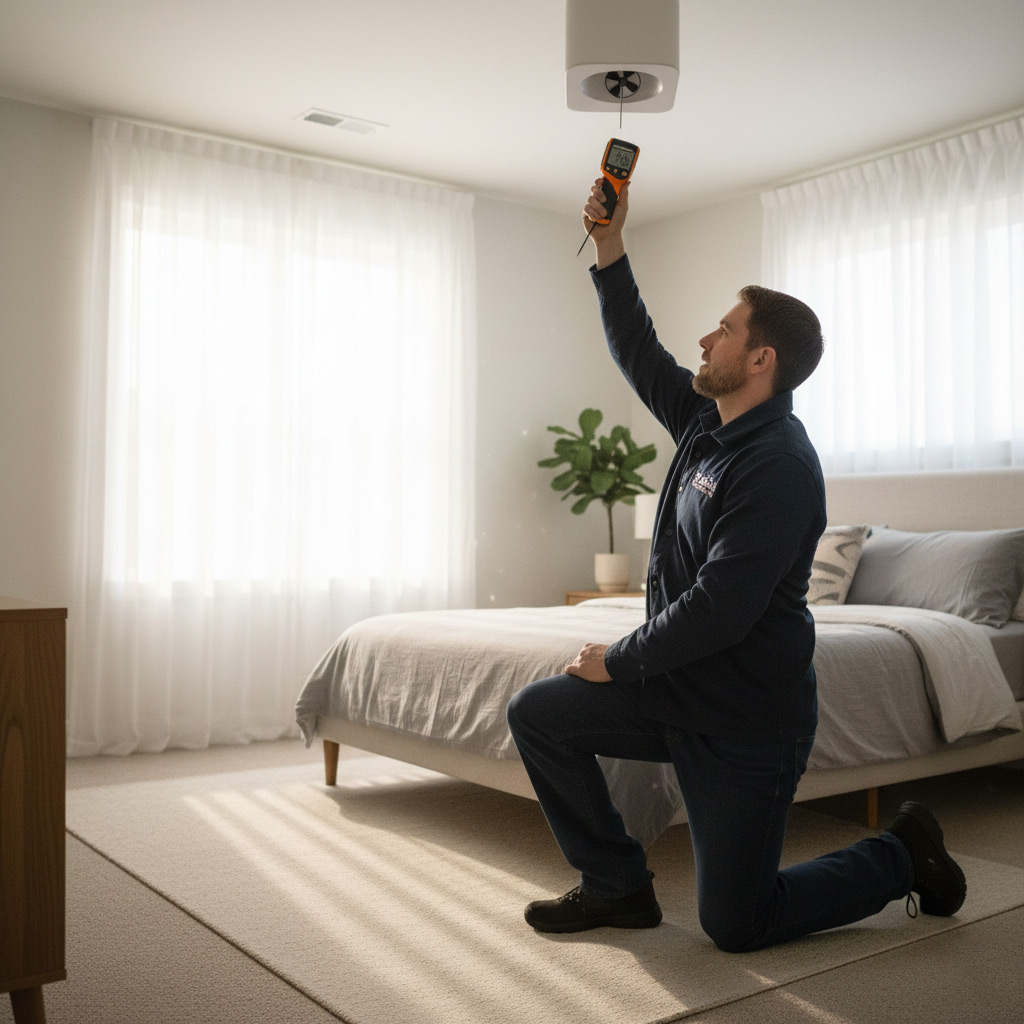
Selecting the Right HVAC System Type and Energy‑Efficiency Rating
System Types That Play Well With the Coast
In Huntington Beach you’ll rarely need a one‑size‑fits‑all solution; the right unit depends on house size, roof layout, and how much you love the ocean view.
Here are the three workhorses that survive salty breezes and scorching sun:
- Central Split System – classic, reliable, perfect for larger homes with existing ductwork.
- Heat Pump – pulls heat from the mild sea air in winter and pushes cool air in summer; a true all‑season player.
- Ductless Mini‑Split – ideal for additions, tight budgets, or homes where ducts would be a nightmare.
Reading the Numbers: What SEER and HSPF Really Mean
Energy‑efficiency ratings aren’t just marketing fluff; they dictate how much you’ll spend on electricity over the life of the unit.
Focus on these key metrics:
- SEER (Seasonal Energy Efficiency Ratio) – higher numbers = lower cooling bills.
- HSPF (Heating Seasonal Performance Factor) – the heat‑pump equivalent for winter comfort.
- ENERGY STAR certification – a quick badge that guarantees the unit meets strict federal standards.
Fit the System to the Home, Not the Other Way Around
Don’t let a “bigger is better” myth drive your decision; an oversized unit will short‑cycle, waste power, and corrode faster in salty air.
Match the system to the load you calculated, and ask for corrosion‑resistant coils or a stainless‑steel cabinet if you’re building right on the shoreline.
Designing the Mechanical Layout: Placement, Zoning, and Smart Controls
Placement Matters
Where you tuck the furnace, air‑handler, or heat pump decides how hard the system works. Keep units away from direct sunlight and salty breezes to avoid premature wear.
Mounting on a sturdy interior wall or a well‑ventilated attic space gives the ductwork a straight run, which means less pressure loss and lower utility bills.
Zoning for Comfort
Dividing the house into zones lets you heat or cool only the rooms you actually use. The result? A noticeable drop in energy use and happier occupants.
Typical zones in a Huntington Beach home include:
- Living area zone – open‑plan spaces that need quick response.
- Bedroom zone – quieter, often set a few degrees cooler at night.
- Garage or workshop zone – occasional use, so a smaller thermostat works fine.
Each zone gets its own thermostat, so you never waste power on an empty room.
Smart Controls Integration
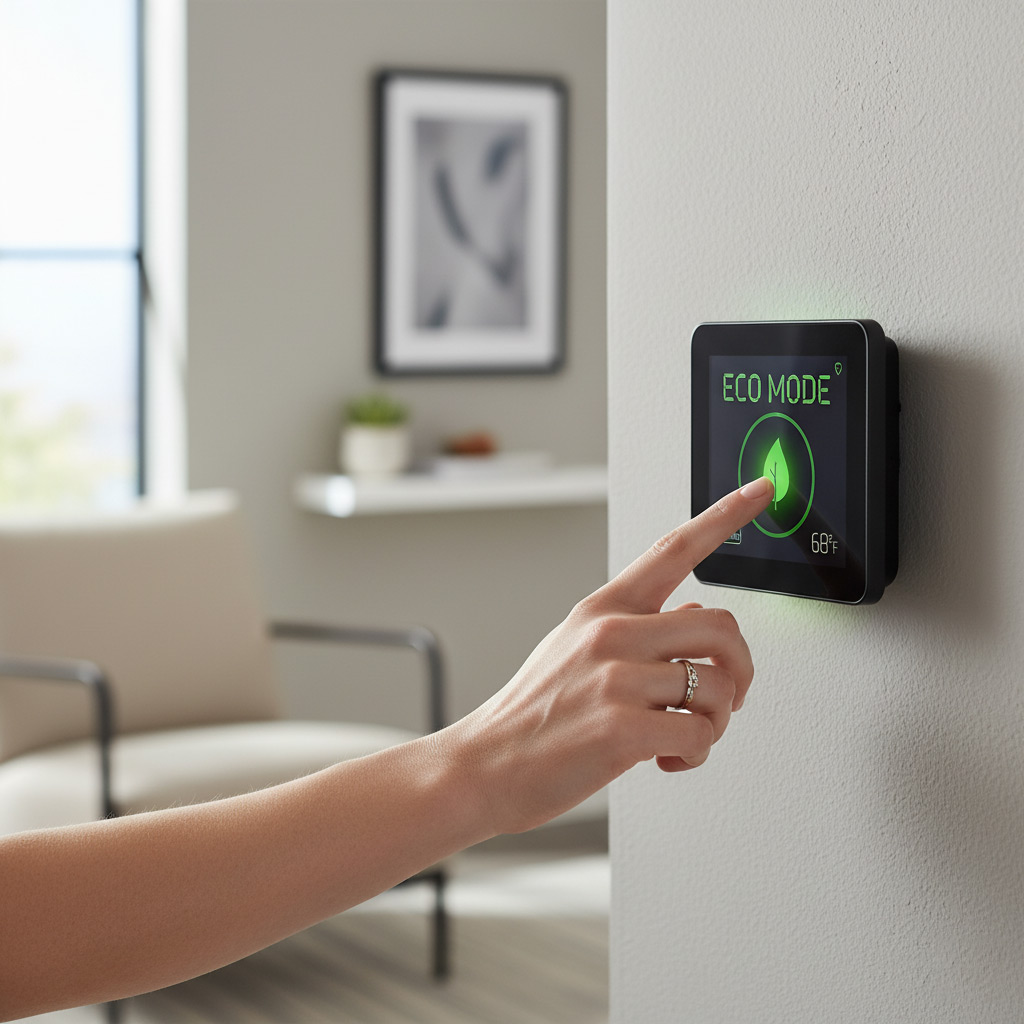
Modern thermostats talk to your phone, your voice assistant, and even the weather service. Program them to lower output during the ocean fog and ramp up when the sun beats down.
Pairing smart controls with a well‑designed layout creates a feedback loop: the system knows where the heat is needed, and the homeowner knows exactly what’s happening.
Navigating Permits, Building Codes, and Coastal Corrosion Protection
Permit Checklist
Before you even lift a duct, the City of Huntington Beach wants to see paperwork. Missing a single signature can stall your project for weeks, and nobody likes that.
- Mechanical permit – required for any new HVAC installation.
- Electrical permit – if you’re adding smart thermostats or zone controllers.
- Coastal Development Permit – mandatory for properties within 500 ft of the shoreline.
Grab the forms online, fill them out clean, and attach a certified load calculation. The inspector will thank you, and you’ll avoid the dreaded “stop work” notice.
Guarding Against Salt
The ocean’s salty breath is a silent assassin for metal components. Corrosion isn’t just an aesthetic issue; it kills efficiency fast.
- Choose stainless‑steel or coated copper for all exposed ductwork.
- Install a vapor‑barrier on exterior walls to keep moisture out.
- Schedule a quarterly rinse‑down of outdoor condensers with fresh water.
These simple steps keep your system humming and your energy bills from ballooning.
Fast‑Track Approval
Know the right people and you’ll shave days off the timeline. Local code officials love contractors who come prepared with detailed schematics.
- Submit a complete mechanical layout with clear labeling of zones.
- Include a corrosion‑protection plan that meets California Coastal Commission standards.
- Offer a brief on‑site walkthrough for the inspector before the final review.
When you speak their language, the permit process becomes a formality, not a roadblock.
Case Study: Successful HVAC Design for a New Coastal Home in Huntington Beach
Project Brief
Our client wanted a 2,800‑sq‑ft beachfront residence that felt cool in July and cozy in December without blowing the budget.
Key constraints:
- Salt‑air corrosion risk
- Peak summer temps hitting 90°F
- Desire for zone‑by‑zone control
Load Calculations & Ductwork
We ran a Manual J analysis that revealed a 3.2‑ton cooling load and a 2.5‑ton heating load—right on target for the floor plan.
Instead of oversized ducts, we designed a low‑velocity, insulated network that kept static pressure under 0.5 in wg, cutting fan power by 15%.
System Choice & Smart Controls
The team installed a two‑stage, variable‑speed heat pump with an SEER of 18, paired with a Wi‑Fi thermostat that learns occupancy patterns.
We zoned the home into three areas: master suite, open‑plan living, and the ocean‑view office. Each zone gets its own damper, so the living room never over‑cools while the bedroom stays snug.
Results & Takeaways
First‑year energy bills dropped 28% compared to the neighborhood average.
Because we used corrosion‑resistant coil coatings and stainless‑steel fittings, the system is still running clean after 12 months of salty breezes.
Bottom line: precise calculations, right‑sized equipment, and smart zoning turned a pricey beachfront build into a comfortable, low‑maintenance home.
Final Thoughts: Your Roadmap to a Comfortable, Efficient Home
When you follow the step‑by‑step plan laid out above, you’re not just installing an HVAC system—you’re building a climate‑control strategy that pays for itself. Every calculation, every zone, every smart control works together to keep the indoor temperature just right, no matter what the Pacific throws at you.
What you get when you stick to the roadmap
- Predictable energy bills – no surprise spikes in summer or winter.
- Longer equipment life – corrosion‑resistant parts and proper sizing keep wear down.
- Comfort on demand – zoning and smart thermostats let you set the perfect vibe room by room.
Ready to put this plan into action? Jump over to our HVAC System Design page and see how our local experts turn blueprints into real‑world comfort. The coast is waiting – make sure your home is ready for it.
People Also Ask
What climate factors should I consider when designing an HVAC system for a Huntington Beach home?
The coastal climate brings mild winters, hot summers, high humidity, and salty sea breezes that can cause corrosion. Design must account for dehumidification, corrosion‑resistant components, and efficient cooling for peak summer days.How do I calculate the proper HVAC load for a house near the ocean?
Use Manual J load calculations that factor in solar gain, insulation levels, window orientation, and local temperature extremes. Accurate duct sizing with Manual D ensures balanced airflow and optimal system performance.Which HVAC system types are most energy‑efficient for coastal properties?
Variable‑speed heat pumps and high‑SEER air conditioners are top choices, offering precise temperature control and lower electricity use. Look for units with a minimum SEER of 16 and an HSPF of 9 or higher.What permits and building codes apply to HVAC installations in Huntington Beach?
You must comply with California Title 24 energy standards, local building permits, and coastal zone regulations that address corrosion protection. Your contractor should submit plans for review and obtain the necessary permits before installation.How can smart zoning improve comfort and savings in a Huntington Beach home?
Smart zoning lets you control temperature independently in each area, reducing waste by only heating or cooling occupied spaces. Integrated thermostats and dampers can cut energy bills by up to 30% while maintaining consistent comfort.
Huntington Beach HVAC brings over 15 years of residential and commercial climate‑control expertise to the Huntington Beach community. Their team of certified technicians delivers reliable heating and cooling solutions tailored to local coastal conditions. Committed to responsive service, they prioritize comfort and energy efficiency for every client.
Need HVAC?
We provide fast, results‑driven solutions for homes and businesses in Huntington Beach and nearby ZIPs (92646, 92648, 92649, 92618, 92615). Our team completes projects on schedule, so you can move forward without delay.
Get HVAC Quote