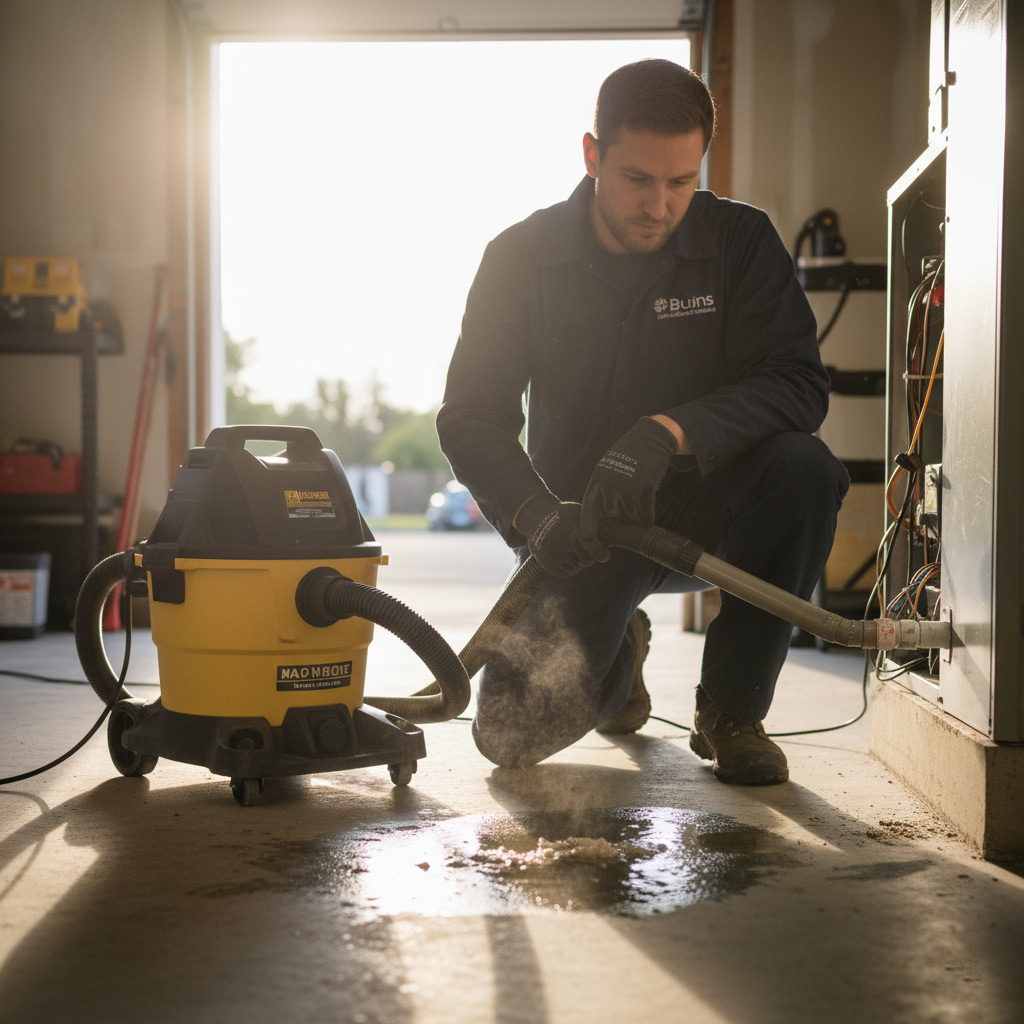
Ever walked into your living room and felt a wave of heat that shouldn't be there, or heard a faint rattling that makes you wonder if the AC is about to quit on a scorching July day?
Most homeowners ignore the tiny clues—like a sudden rise in your electric bill, uneven airflow, or that odd smell drifting from the vents—until the system finally gives up and the repair bill skyrockets.
Living in Huntington Beach means battling salty sea breezes and relentless sunshine, so those early warning signs show up faster and can cost you more if you don’t act fast.
Stick around, and I’ll walk you through the exact symptoms to watch for, so you can catch a problem before it turns your comfort into a nightmare.
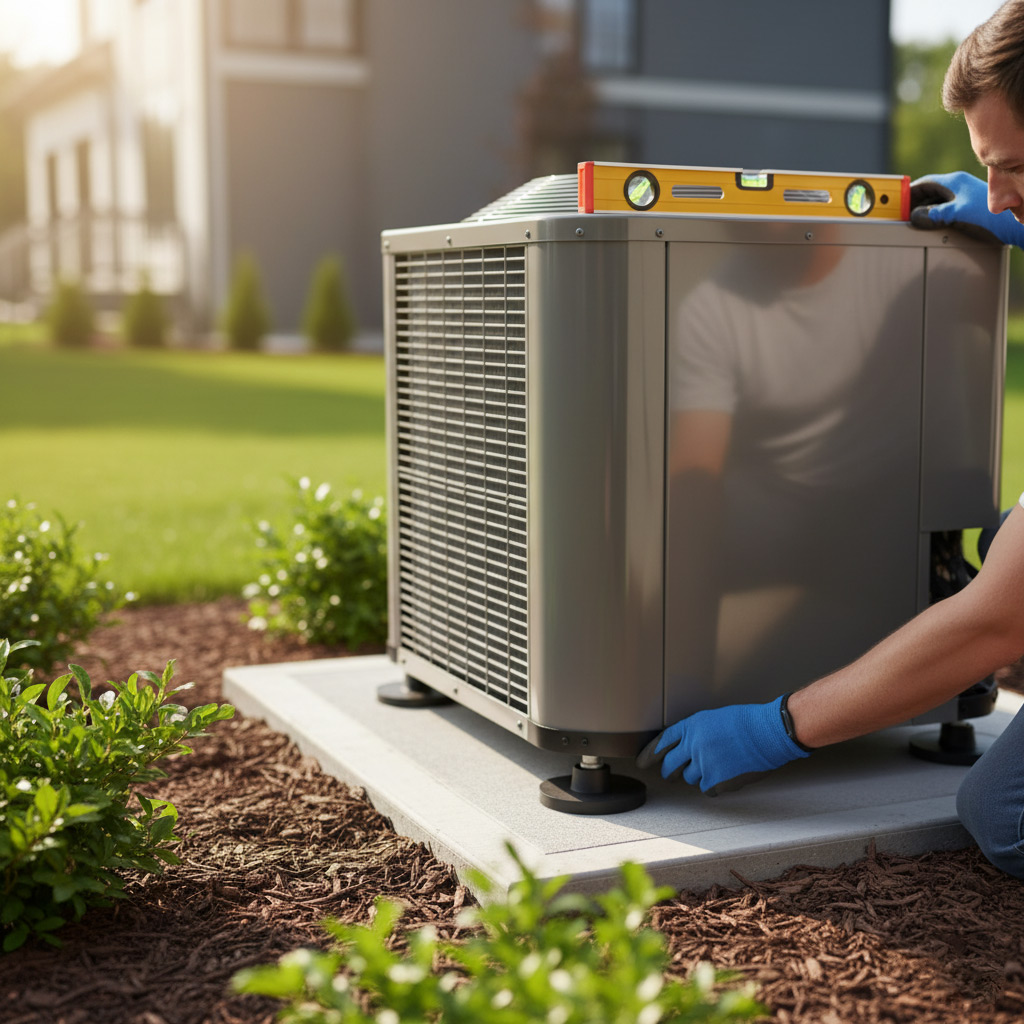
Unusual Temperature Swings and Hot Spots in Your Home
When you step from the kitchen into the living room and feel a sudden blast of heat, your HVAC is probably sending you a warning. Those pockets of warmth aren’t just a quirk of the house; they’re a sign that air isn’t circulating the way it should. Ignoring them lets the problem snowball into a full‑blown system failure.
Common culprits behind the hot spots
- Blocked or dirty filters – restrict airflow and create uneven cooling.
- Leaky ductwork – lets conditioned air escape before it reaches the room.
- Improperly sized units – an AC that’s too small will struggle to keep every corner comfortable.
Spotting a hot spot early can save you a lot of cash. Walk around with your hand, feel for temperature differences, and note any rooms that stay warm even when the thermostat reads a cool setting. Those clues let a pro pinpoint the exact weak link before the bill climbs.
Inconsistent Airflow and Weak Vent Performance
When the breeze from your vents feels more like a sigh, it’s a red flag. Air doesn’t travel the same way it used to, and that usually means something’s choking the system. In Huntington Beach, salty air can corrode ducts faster than you think.
What you’ll notice
- One room feels like a sauna while the next stays cool.
- Registers that used to gush now barely whisper.
- Thermostat calls for cooling, but the fan seems lazy.
These clues point to blocked ducts, a failing blower motor, or a dirty filter that’s been ignored too long. A clogged filter is cheap to replace, but a busted blower can cost a fortune if you wait.
Quick fixes before you call a pro
First, turn off the system and check every filter. If it’s dark and crusty, swap it out. Next, walk around the house and feel each vent – any that feel cold to the touch but deliver no air? That’s a sign of a collapsed duct or a closed damper.
Finally, listen for a whirring sound from the furnace or air handler. If the motor sounds strained, it’s probably working harder than it should. Don’t ignore it; the longer you wait, the more the motor wears down, and the higher your next electric bill will climb.
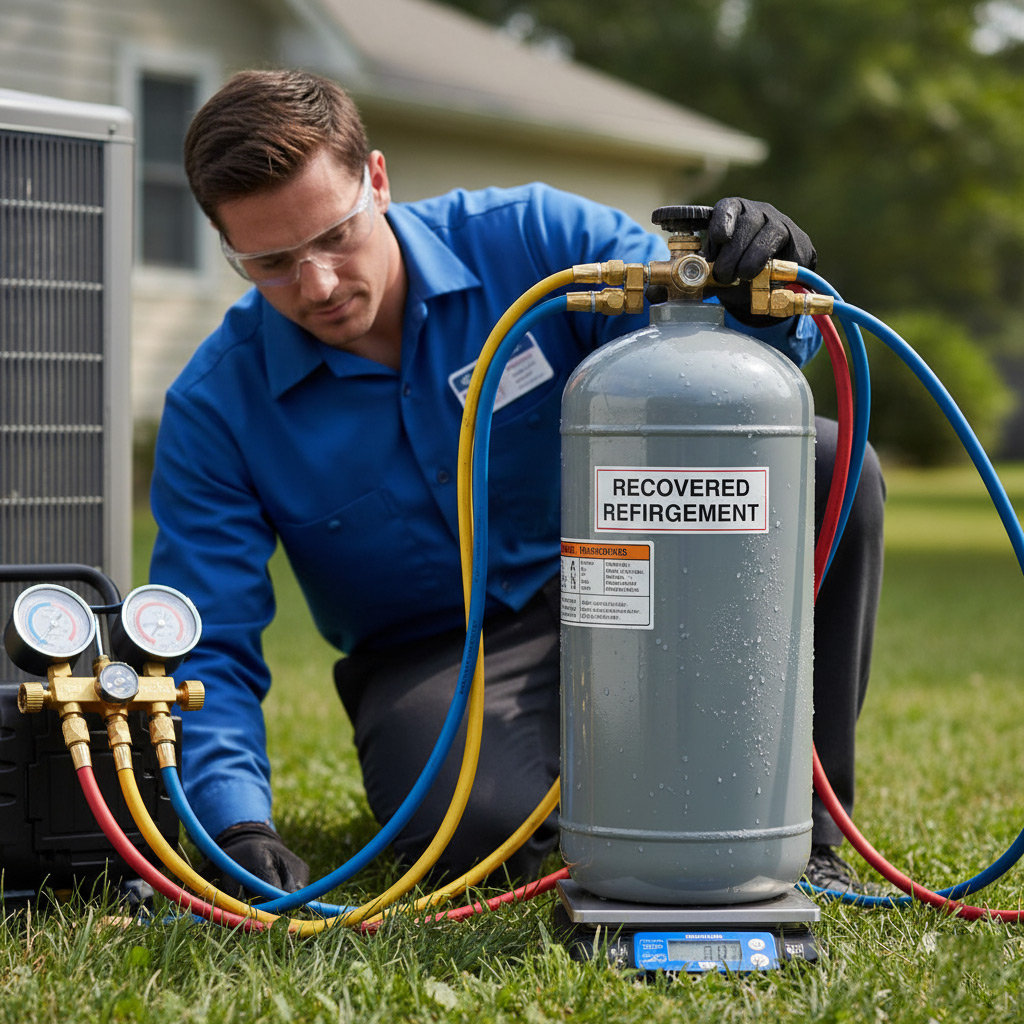
Uncommon Noises: Rattles, Hums, and Squeals Explained
Rattles – What’s Shaking?
When you hear a metallic clatter coming from the furnace, it’s usually a loose panel or a broken fan blade. Don’t ignore it; the vibration can damage motor bearings in days.
- Loose screws or panels – tighten them, then listen again.
- Broken or warped fan blades – replace before they hit the housing.
- Debris caught in the blower – a quick vacuum can save a costly repair.
Hums – The Low‑Frequency Warning
A steady, low hum often means the compressor is trying to start but can’t get enough power. It’s the system’s way of saying, “I’m struggling.”
- Electrical issues – check the breaker and capacitor.
- Refrigerant low – the compressor works harder, creating that drone.
- Dirty coils – restrict airflow, forcing the unit to labor.
Squeals – The High‑Pitch Cry for Help
A high‑pitched squeal is usually a belt or motor bearing on the brink of failure. It’s louder when the unit kicks on, then fades as it slows.
- Worn belt – replace before it snaps and leaves you in the heat.
- Motor bearing wear – lubricate or swap out the motor.
- Insufficient lubrication on the fan motor – a quick oil drop can quiet the scream.
Odd Smells and Moisture: Signs of Mold, Refrigerant Leaks, or Burnt Wiring
When you catch a musty whiff as soon as you step through the front door, it’s not just a bad day for your nose. That scent is often mold thriving in damp ductwork or a leaky condensate pan. Ignoring it lets spores spread, turning a simple fix into a health hazard.
Moldy Odors
- Earthy, damp smell near vents – think basement after rain.
- Visible water stains on ceiling tiles or around the air handler.
- Increased allergy symptoms for family members.
If any of these pop up, call a pro to clean the ducts and seal the leak before mold takes root.
Refrigerant Leaks & Burnt Wiring
A sweet, oily aroma is a red flag for refrigerant escaping the system. Low refrigerant means the compressor works harder, spiking your bill. Meanwhile, a faint burnt plastic smell signals overheating wires – a fire risk you can’t afford to gamble with.
- Check for oily residue around copper lines.
- Listen for a high‑pitched squeal that accompanies a leak.
- Notice any flickering lights or tripped breakers.
Spot these cues early, and you’ll keep your HVAC humming without a costly emergency call.
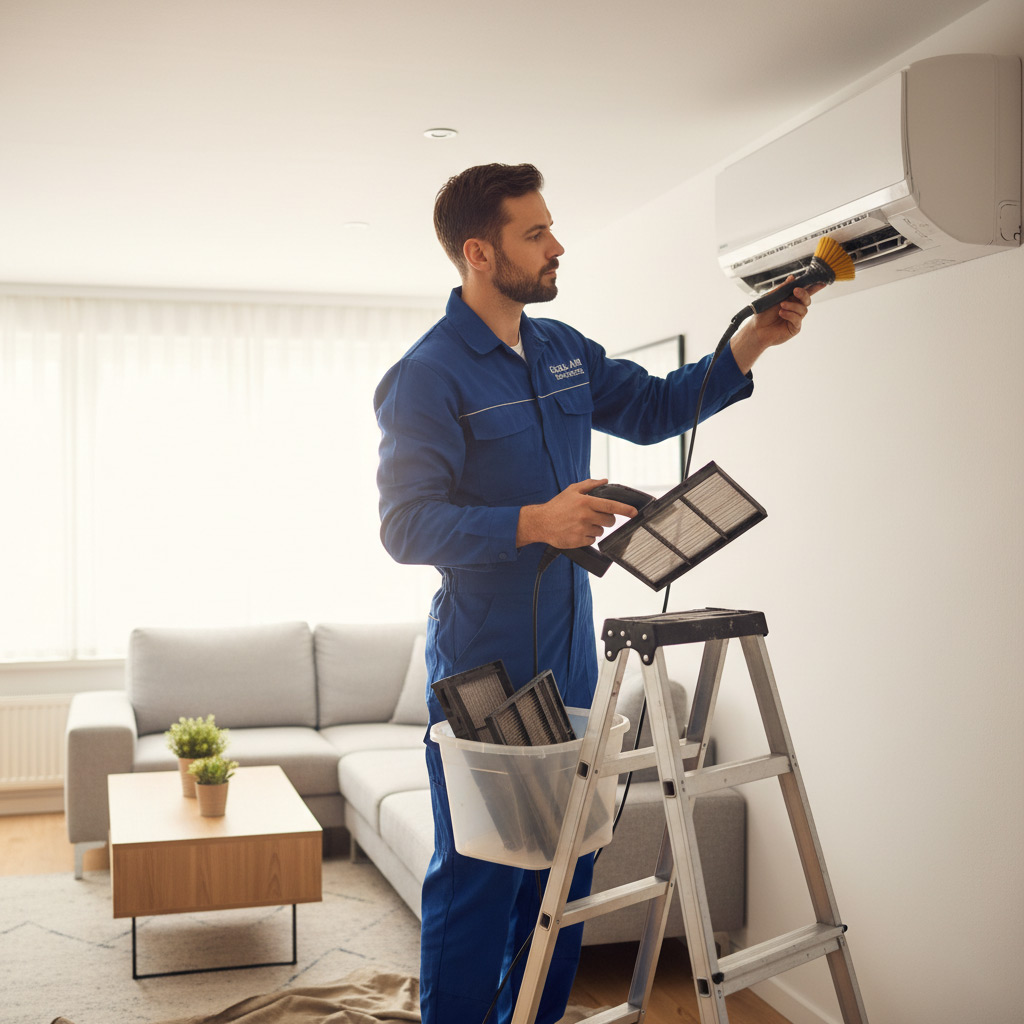
Rising Energy Bills and Decreased System Efficiency
When the meter spins faster than usual, it’s not a mystery—it’s a symptom. Even a small drop in efficiency can add up to big dollars on your monthly statement, especially in a place where the AC runs nonstop.
What the numbers are trying to tell you
- Higher than normal kWh usage during mild weather.
- Sudden spikes after a routine thermostat adjustment.
- Consistently higher bills despite keeping the set temperature steady.
These clues point to a system that’s working harder than it should. Clogged filters, low refrigerant, or a failing compressor can all force the unit to gulp more power.
Quick fixes before the bill blows up
Start with the easy wins: replace filters, seal any duct leaks, and make sure the outdoor condenser is clear of debris. If the numbers don’t settle, call a pro to check the refrigerant charge and motor health. Catching the issue now saves you from a nasty surprise when summer peaks.
Case Study: Rapid HVAC Rescue for a Huntington Beach Family Facing an Imminent AC Failure
When the Martinez family called on a blistering July afternoon, the living room felt like a sauna and the thermostat was stuck at 78°F. They’d noticed a faint buzzing and a drop in airflow just hours earlier, but thought it would pass. Within minutes, our tech arrived, ran a quick visual, and confirmed the compressor was on the brink of seizing.
What Went Down in 90 Minutes
We didn’t waste time with paperwork. The crew:
- Checked refrigerant pressure and found it dangerously low.
- Identified a cracked suction line that was leaking coolant.
- Swapped the faulty line and recharged the system to the manufacturer’s specs.
- Cleaned the evaporator coil to restore proper airflow.
Result? The AC kicked back to life, blowing 72°F air within the hour. The family breathed a sigh of relief and avoided a $2,500 emergency repair bill.
Key Takeaways for Homeowners
Don’t wait for the whole house to feel like a furnace. Spot the early signs—odd noises, weak airflow, or a sudden spike in your electric bill—and call a pro before the compressor quits. A swift response can save you time, money, and a sweaty night on the couch.
Final Words
When the signs start flashing—odd smells, weak airflow, or a sudden spike in your electric bill—don’t wait for a full‑blown breakdown. A quick call to a local pro can save you weeks of sweltering nights and a hefty repair invoice.
Take Action Now
- Schedule a preventive inspection before the summer peak hits.
- Keep an eye on your thermostat readings; a 5‑degree variance is a red flag.
- Check filters monthly; a clogged filter is the most common cause of reduced performance.
Remember, Huntington Beach’s salty air and relentless sun are tough on any system. By staying alert and acting fast, you keep your home comfortable and your wallet happy. Need a trusted partner? Dive into our HVAC Troubleshooting resources for more tips and a direct line to our certified technicians.
People Also Ask
What are the first signs that my HVAC system is failing in Huntington Beach?
A noticeable drop in cooling performance, unusual temperature spots, and a sudden increase in energy bills are early indicators that your HVAC system may be on the brink of failure.How can I tell if strange noises from my AC mean a serious problem?
Rattling, humming, or squealing noises often point to loose components, motor issues, or refrigerant problems that require professional inspection before they cause major damage.Why does my home have weak airflow from some vents but not others?
Inconsistent airflow can result from clogged filters, duct leaks, or a failing blower motor, all of which reduce efficiency and should be addressed promptly.What does a burnt or chemical smell coming from my vents indicate?
A burnt odor may signal overheating wiring, while a sweet or oily smell can be a refrigerant leak—both situations need immediate professional attention for safety.When should I call an HVAC technician after noticing rising energy costs?
If your monthly energy bills climb sharply without a change in usage, it’s a sign that your system is working harder than it should, and a technician should evaluate the unit within a few days.
Huntington Beach HVAC brings over 15 years of residential and commercial climate‑control expertise to the Huntington Beach community. Their certified technicians specialize in energy‑efficient installations, preventative maintenance, and rapid repairs, ensuring comfort year‑round. Committed to local service, they understand the unique coastal climate challenges and tailor solutions for each client.
Need HVAC?
We provide fast, results‑driven solutions for homes and businesses in Huntington Beach and nearby ZIPs (92646, 92648, 92649, 92618, 92615). Our team completes projects on schedule, so you can move forward without delay.
Get HVAC Quote