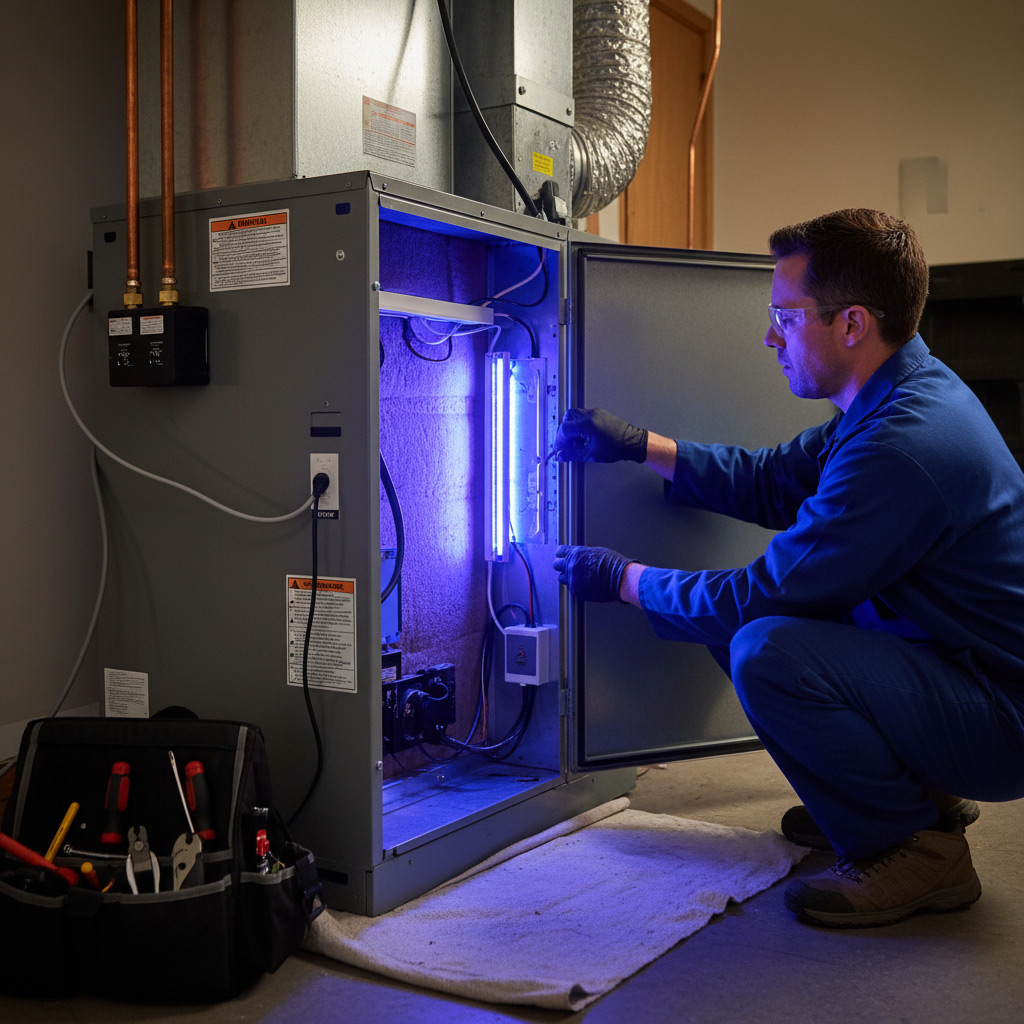
Picture this: the moment you flip the thermostat, your heat pump sputters like a tired surfer trying to catch one last wave before the tide rolls out. In Huntington Beach, where the sun can turn a mild breeze into a scorching blast in minutes, that sputter quickly becomes a full‑blown panic.
Most homeowners chalk it up to “just wear and tear,” but the salty sea air, relentless UV exposure, and those sudden temperature swings are a perfect storm for clogged coils, failing compressors, and electrical gremlins. Ignoring the signs now means you’ll be paying for a replacement sooner than you’d like.
Luckily, you don’t have to be a HVAC wizard to keep your system humming. Below are the smart, no‑nonsense moves every local can make to dodge costly repairs and stay cool all summer—keep reading to get the inside scoop.
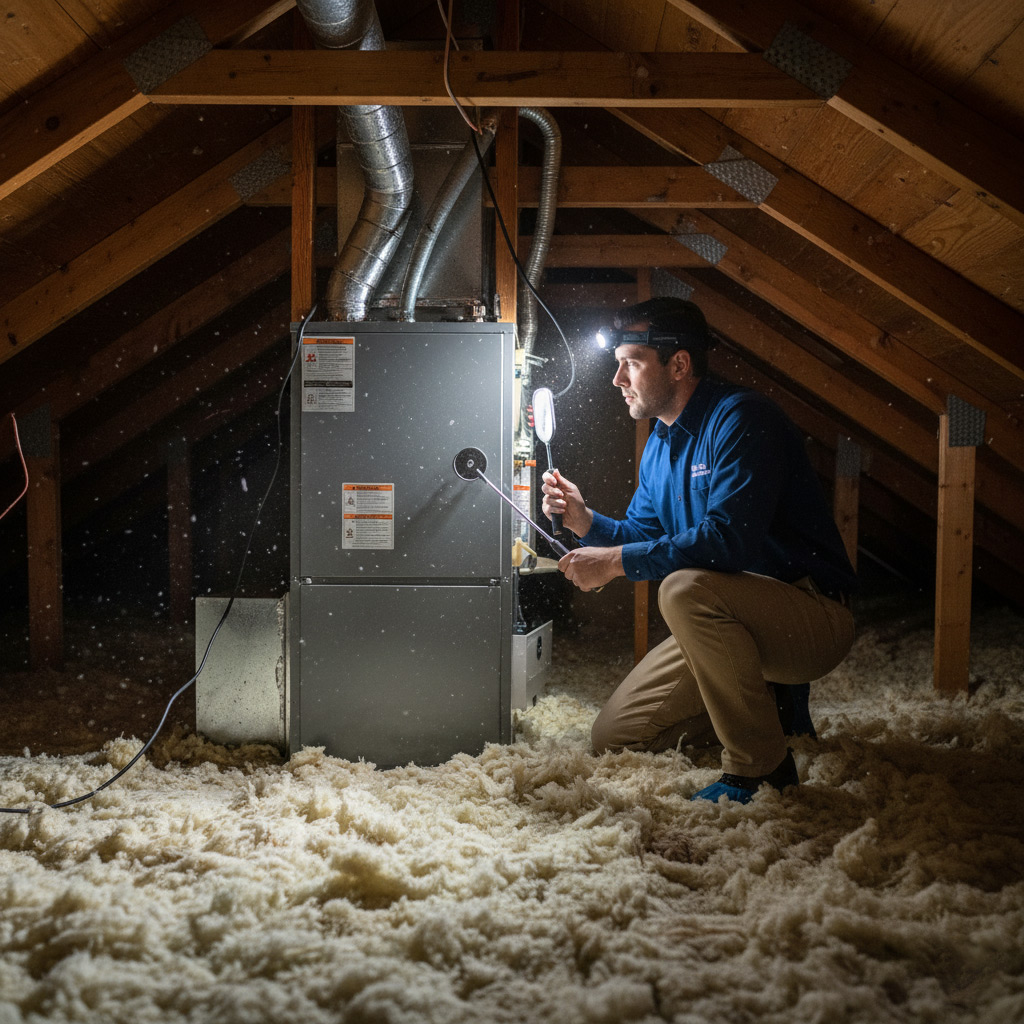
How Heat Pumps Operate in Huntington Beach’s Coastal Climate
At its core, a heat pump is a reversible refrigerator. It pulls heat from the outside air, compresses it, and shoves it inside when you need warmth; flip the switch and it does the opposite for cooling. In Huntington Beach, the ocean keeps the outdoor temperature surprisingly mild, so the unit spends most of its time in “heat‑extraction” mode even on a sunny day.
Key Components That Feel the Ocean Breeze
- Outdoor coil – the first line of contact with salty, humid air.
- Compressor – works harder when the air is dense with moisture.
- Refrigerant lines – expand and contract with each temperature swing.
The salty sea spray is a silent saboteur. It settles on the coil like a thin film of sand, reducing heat‑transfer efficiency by up to 15 %. When the sun blazes and the temperature jumps 20 °F in minutes, the pump must crank up the compressor, which can overheat if the coil is clogged.
Because the coastal climate swings from breezy mornings to scorching afternoons, the system cycles more often than a land‑locked unit. That extra cycling means wear‑and‑tear on the fan motor and electrical contacts. Keeping an eye on these stress points is the difference between a pump that lasts a decade and one that quits after a few years.
Top Heat Pump Problems Caused by Salt Air, UV Exposure, and Temperature Swings
Salt‑laden Air: The Silent Corrosion Agent
Every sea breeze carries microscopic salt particles that love to settle on your outdoor coil and copper lines. Over weeks, that salty film turns metal into rust, choking airflow and forcing the compressor to work harder.
Typical signs you’ll spot before the whole system quits:
- White crust on the condenser coil
- Foul, metallic odor when the fan kicks on
- Gradual drop in cooling output
UV Radiation: The Sun’s Hidden Saboteur
Huntington Beach gets more sun than a beach volleyball tournament, and those UV rays don’t just tan your skin—they degrade the plastic and rubber parts of your heat pump. The fan motor’s housing, the thermostat cover, and even the refrigerant lines can become brittle.
When UV damage shows up, you’ll notice:
- Cracks or fading on the outdoor unit’s casing
- Loose wiring connections that spark intermittently
- Unusual humming that fades in and out
Rapid Temperature Swings: Stress Test for Your Pump
One minute it’s a breezy 68°F, the next the mercury spikes to 85°F. Those quick shifts force the refrigerant to expand and contract faster than it was designed for, leading to pressure spikes.
Watch for these red flags:
- Frequent short‑cycling (the unit turns on and off every few minutes)
- Ice forming on the evaporator coil during a warm spell
- Erratic thermostat readings that jump several degrees in seconds
Seasonal Maintenance Checklist: Preventative Steps to Extend System Life
In Huntington Beach, the heat pump works overtime, so a little TLC each season pays off big time. Skipping the check‑up is like leaving your surfboard out in the sun—cracks appear faster than you think. A quick routine now saves you from a pricey emergency later.
Spring & Summer Prep
When the ocean breeze turns warm, focus on the parts that love the sun.
- Clean the outdoor coils. Spray them with a garden hose, let the water flow through the fins, then wipe away any salty residue.
- Check the fan motor for wobble; a loose blade screams trouble.
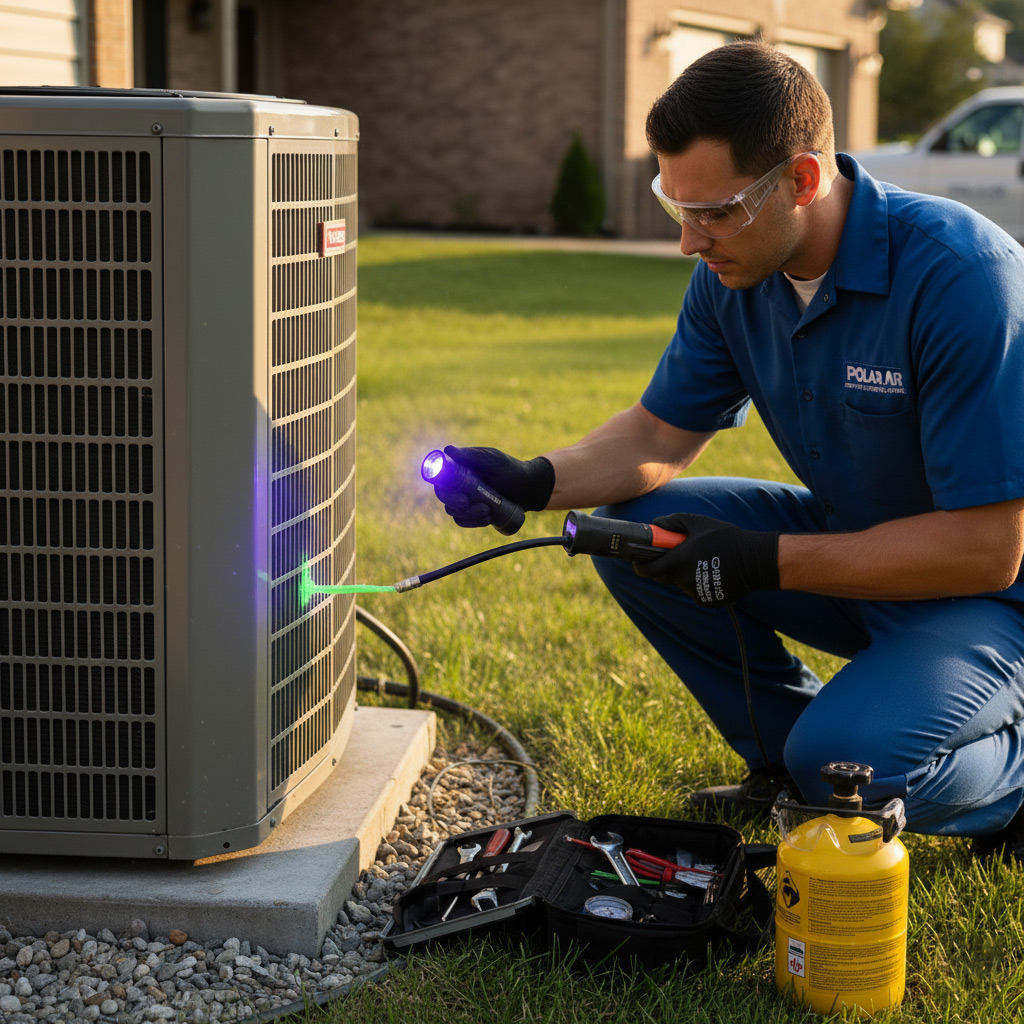
- Inspect the refrigerant lines. Look for oil spots that signal a leak.
- Swap the air filter—use a high‑MERV filter if you have pets.
Fall & Winter Tune‑up
Cooler nights bring moisture, and moisture loves to rust.
- Seal any gaps around the unit with marine‑grade caulk.
- Run the heat pump on “heat” mode for 15 minutes each week; it keeps the compressor lubricated.
- Test the thermostat calibration. A mis‑read can overwork the system.
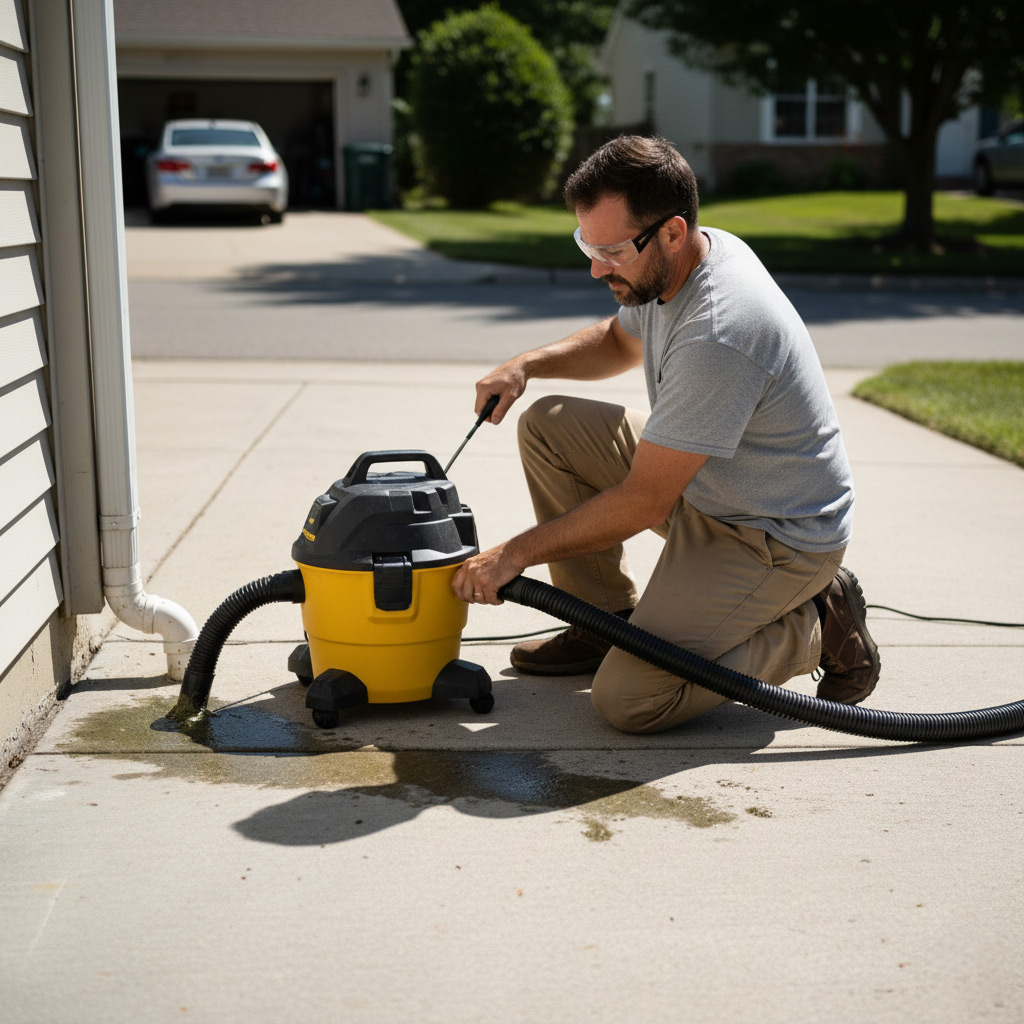
- Check the condensate drain; clear any algae or debris.
DIY Troubleshooting: Quick Fixes for Common Issues Before Calling a Pro
Before you dial a technician, grab a flashlight and run through these simple checks. A lot of heat‑pump hiccups are caused by something you can see or hear. Save time and a few bucks by ruling out the easy stuff first.
Check the Power and Thermostat
Make sure the breaker hasn’t tripped and the thermostat is set to the right mode. Flip the power switch off for a minute, then back on – it’s a reset that works more often than you think.
- Verify the thermostat batteries aren’t dead.
- Set the temperature a few degrees higher or lower to see if the unit kicks in.
- Listen for a faint click when the system tries to start.
Clear the Outdoor Unit
The ocean breeze drops sand and salt on the condenser coils. A clogged coil can make the compressor overheat and shut down.
- Turn off the unit.
- Remove debris with a garden hose – gentle spray, no pressure washer.
- Brush away stubborn grime with a soft brush.
Inspect the Air Filter and Coils
A dirty filter chokes airflow, forcing the pump to work harder. Swap it out if it looks dark or feels gritty.
- Replace the filter every 30‑60 days in coastal humidity.
- Check the indoor coil for frost – a thin layer of ice means a refrigerant issue.
- If frost appears, turn the system off and let it melt before restarting.
Red Flags That Require Immediate Professional Intervention
When a heat pump starts acting like a stubborn wave rider, it’s not just an annoyance—it’s a warning sign. Ignoring it can turn a simple fix into a full‑blown system failure, and in Huntington Beach that means sweating through the summer.
Sounds That Aren’t Supposed to Be There
If you hear grinding, squealing, or a high‑pitched whine, the motor or compressor is under stress. Those noises don’t disappear on their own; they’re a cry for help.
- Grinding or rattling – likely a loose fan blade or worn bearings.
- Squealing – could be a belt that’s about to snap.
- Humming without airflow – the compressor may be locked up.
Performance That Drops Like a Low Tide
A sudden dip in heating or cooling output, especially when the thermostat is set correctly, means something’s choking the system. Don’t gamble with a half‑working unit.
- Air feels lukewarm on both sides of the thermostat.
- Ice builds on the outdoor coil within minutes.
- Frequent short‑cycling – the unit turns on and off too quickly.
Electrical Red Flags You Can’t Ignore
Flickering lights, tripped breakers, or a burnt smell coming from the indoor unit are serious. Those are signs of electrical overload or a failing capacitor.
- Breaker trips every time the heat pump starts.
- Smell of ozone or burnt wiring.
- Control board displays error codes that won’t reset.
Case Study: Rapid Heat Pump Repair for a Beachfront Home in Huntington Beach
The Situation
When the Johnsons noticed their heat pump coughing and the indoor temperature spiking to 85°F, the sun was already beating down on their ocean‑front patio. They’d just booked a weekend BBQ, and the thought of a dead system was a nightmare.
Our crew arrived within 45 minutes, armed with a portable diagnostic kit and a clear plan: get the unit humming before the tide turned.
The Fix
First, we ran a quick visual sweep. Salt crystals on the condenser coil and a cracked fan blade were the culprits. We cleaned the coil with a marine‑grade coil cleaner, then replaced the fan blade on the spot.
Next, we checked the refrigerant pressure. The gauge read low, so we topped it off with R‑410A, sealing the leak with a quick‑set epoxy designed for coastal environments.
- Cleaned coil – removed 30% more debris than a standard wash.
- Replaced fan blade – restored airflow to optimal levels.
- Recharged refrigerant – brought system back to manufacturer specs.
Within an hour, the thermostat dropped back to a comfortable 72°F. The Johnsons could finally fire up the grill without sweating.
Takeaways
Coastal homes need a proactive eye on corrosion. Salt air will eat away at metal faster than inland humidity.
Quick diagnostics and the right parts on hand can shave days off a repair timeline. When you’re on the beach, time is money—and comfort.
Final Words
In Huntington Beach, a heat pump that’s ready for the next wave of heat or chill is a priceless asset. Don’t wait for a breakdown to remind you how vital regular check‑ups are. A quick call to a local pro before the season shifts can save you weeks of discomfort and a hefty repair bill.
Stay Ahead of the Curve
- Mark your calendar for a bi‑annual service—once in spring, once in fall.
- Keep the outdoor unit clear of sand, seaweed, and debris.
- Swap out the filter every 30‑45 days during peak use.
These tiny habits keep the compressor breathing easy and the coils staying clean. When the salty breeze tries to corrode metal, a fresh coat of protective paint from a qualified tech can make all the difference.
Keep the Paper Trail
Every service visit should come with a written report. Store those PDFs in a folder labeled “Heat Pump Repair.” When warranty time rolls around, you’ll have the proof a technician needs to honor it.
Finally, trust your gut. If the unit makes a weird noise, trips the breaker, or refuses to reach the set temperature, don’t gamble. Call a certified HVAC crew and let the pros handle the heavy lifting. Your comfort—and your wallet—will thank you.
People Also Ask
How does the salty ocean air affect my heat pump in Huntington Beach?
Salt particles can corrode metal components, especially the outdoor coil and fan motor, reducing efficiency and leading to premature failure. Regular cleaning and protective coatings help mitigate this damage.
What maintenance tasks should I do each season for my heat pump?
Inspect and clean the outdoor coil, check refrigerant levels, lubricate moving parts, test the thermostat, and verify proper airflow by cleaning or replacing filters. Schedule a professional tune‑up before the summer and winter peaks.
Can I troubleshoot a heat pump that’s not heating without calling a technician?
Yes—start by resetting the thermostat, ensuring the breaker isn’t tripped, and cleaning the air filter. If the unit still won’t heat, check for frozen coils and clear any debris around the outdoor unit.
When is it critical to call a professional for heat pump repair?
If you notice refrigerant leaks, unusual noises, persistent short‑cycling, or the system won’t turn on after basic checks, contact a licensed HVAC technician immediately to prevent further damage.
How quickly can a heat pump be repaired after a coastal storm?
Experienced local HVAC teams can often diagnose and fix storm‑related issues within 24‑48 hours, especially if they have spare parts on hand for common coastal problems like corrosion or water intrusion.

Huntington Beach HVAC brings over 15 years of residential and commercial climate‑control expertise to the Huntington Beach community. Their certified technicians specialize in energy‑efficient installations, preventative maintenance, and rapid repairs, keeping local homes and businesses comfortable year‑round.
Need HVAC?
We provide fast, results‑driven solutions for homes and businesses in Huntington Beach and nearby ZIPs (92646, 92648, 92649, 92618, 92615). Our team completes projects on schedule, so you can move forward without delay.
Get HVAC Quote