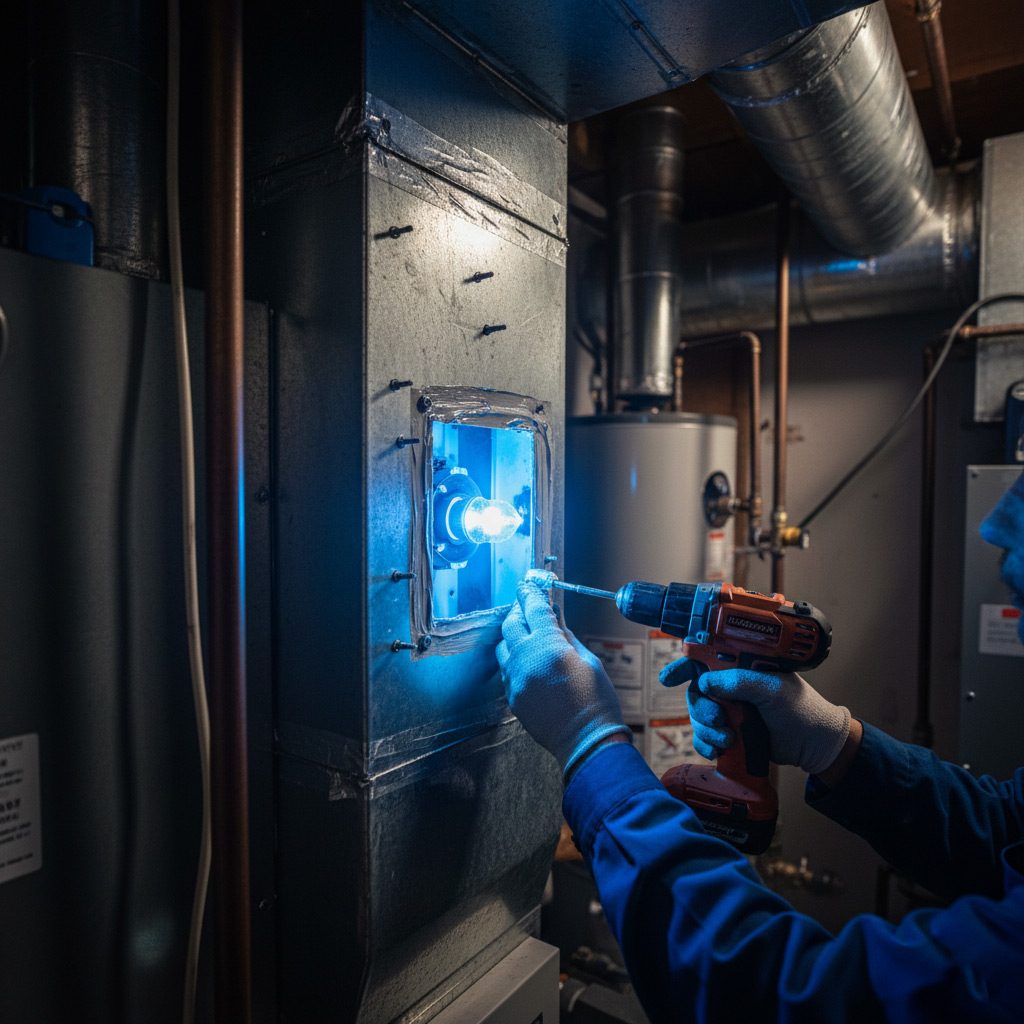
Ever watched a neighbor’s brand‑new HVAC unit arrive and thought, “That’s it, I’m done”? Most homeowners in Huntington Beach believe the price tag on the invoice is the whole story.
What they don’t see are the sneaky line‑items that pop up after the install—permit fees, old‑unit disposal, unexpected ductwork upgrades, and the little “taxes” that only show up once the job is underway.
Living by the ocean adds its own twist: corrosion‑resistant components, stricter city codes, and a higher chance you’ll need a system that can handle salty air without breaking down in a year.
Ready to uncover the real cost of replacing your HVAC and avoid a nasty surprise on your next bill? Keep reading and we’ll break down every hidden charge you need to watch for.
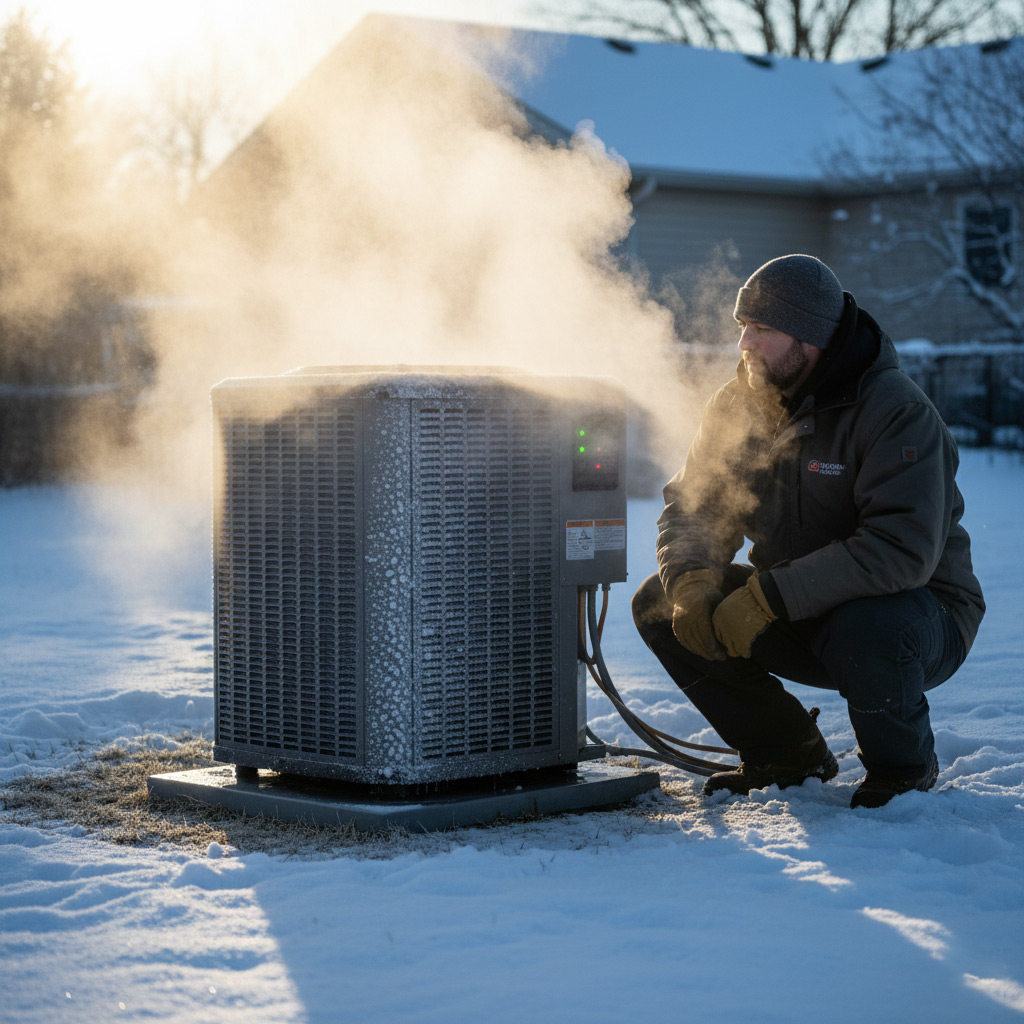
What’s Actually Covered in the Base HVAC Replacement Quote
When the contractor hands you a clean‑cut number, it usually wraps the new furnace or air‑conditioner, the labor to install it, and the basic connections that get the system humming. You’ll also see the cost of a standard thermostat, the refrigerant charge required to meet factory specs, and a warranty that kicks in the day the unit is powered up. In most cases, the quote assumes your existing ductwork is “good enough” and that no extra permits are needed.
What the Quote Typically Leaves Out
- Permit fees – the city of Huntington Beach charges for a building permit and a final inspection.
- Disposal of the old unit – hauling, recycling, and any environmental surcharge.
- Additional wiring or conduit – if your breaker box can’t handle the new load.
- Upgraded thermostats or smart‑home integration – the basic model is usually the default.
Knowing exactly what’s on the line helps you spot the “gotchas” before the crew lifts the first panel. A clear base quote is a good start, but the real cost story begins the moment the paperwork is signed.
Permit Fees, City Inspections, and Coastal‑Specific Regulations in Huntington Beach
Permit Fees: What You’ll Actually Pay
Huntington Beach requires a mechanical permit for every HVAC replacement, and the city tacks on a flat $150‑$250 processing charge plus a variable fee based on the unit’s BTU rating. Don’t assume the contractor’s quote already covers it—many firms quote the equipment only and add the permit later.
- Mechanical permit: $150‑$250
- Electrical permit (if new wiring is needed): $100‑$180
- Plan check surcharge for larger systems: $75‑$120
Coastal‑Specific Regulations
Living next to the Pacific means the city enforces “Ocean‑Zone” standards to protect against salty air corrosion. That translates into mandatory use of stainless‑steel condensers, corrosion‑resistant coils, and sometimes a higher‑efficiency filter package.
- Corrosion‑resistant components add $300‑$600 per unit.
- Special “coastal” certification for the installer: $75‑$100.
- Additional sealant requirements for outdoor piping: $50‑$90.
City Inspections: The Reality Check
After the crew finishes, the city’s Building & Safety Division swings by for a final inspection. If anything is out of spec—like an unapproved vent length—you’ll face a re‑inspection fee of roughly $120.
- Initial inspection (included in permit): no extra cost.
- Re‑inspection (if needed): $120‑$150.
- Late‑submission penalty (after 30 days): $200.
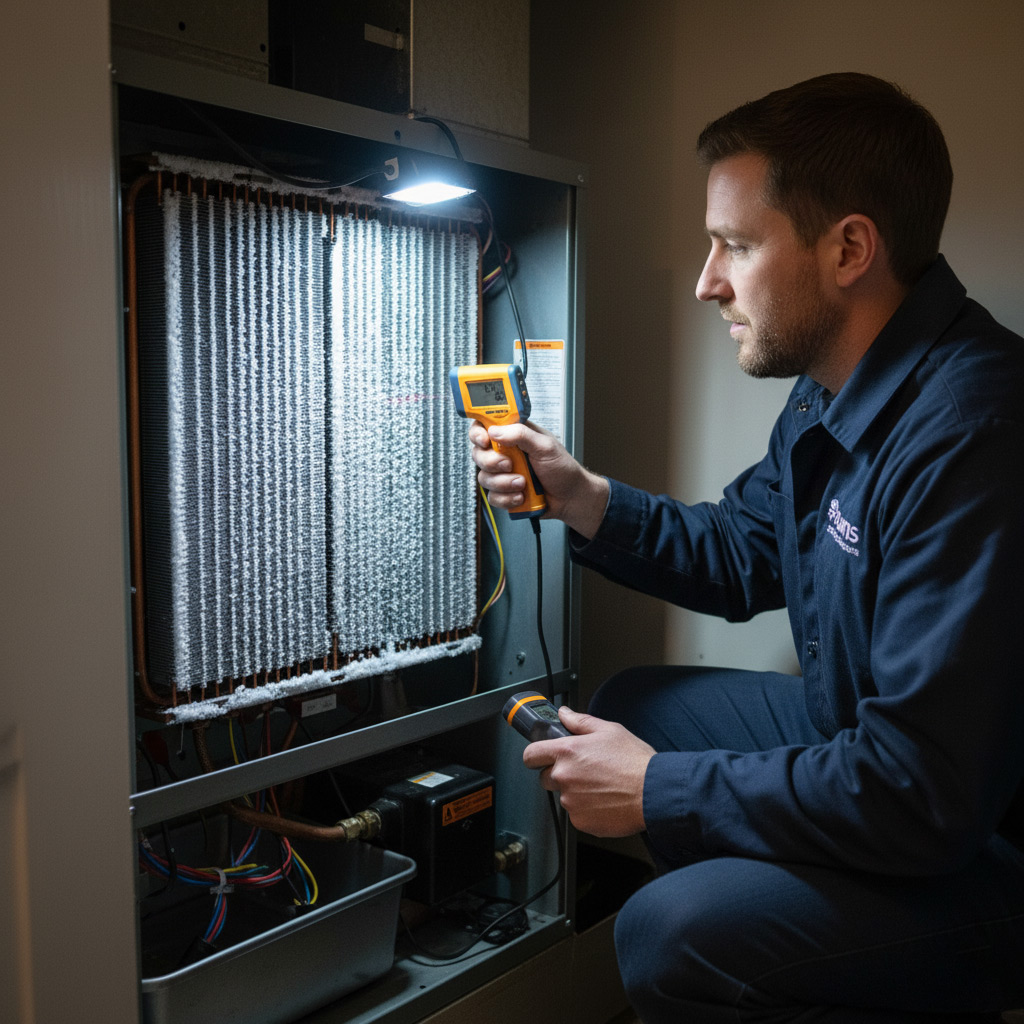
Disposal, Recycling, and Environmental Fees for Removing the Old Unit
What the city actually charges
Huntington Beach requires every HVAC contractor to file a disposal ticket with the County’s Waste Management Division. That ticket usually runs $120‑$250 per ton of equipment, depending on the unit’s size and the weight of the copper coils.
Because the city treats refrigerant as hazardous waste, you’ll also see a separate line‑item for a refrigerant recovery fee. Expect $75‑$150, and remember it’s non‑negotiable—skipping it can land you a fine.
Recycling credits that can offset the bill
Many manufacturers offer a “take‑back” program. If your old unit is still under warranty, the brand may cover up to 50% of the disposal cost. Ask your installer to submit the paperwork before the truck rolls in.
Local recycling centers also give a small rebate for the steel frame—usually $20‑$40. It’s a tiny drop in the bucket, but it helps shave off the total.
Typical hidden fees you’ll see on the invoice
- Environmental surcharge: $30‑$60 for landfill diversion.
- Hazardous material handling: $45‑$90 for safe refrigerant disposal.
- Truck dump fee: $25‑$50, charged by the hauler for each load.
Ductwork Assessment: Hidden Repairs, Sealing, and Upgrade Costs
Why Duct Inspection Isn’t Optional
Most homeowners assume the ducts are just metal tubes that do their job. In reality, a cracked register or a sagging run can add hundreds to the final bill.
When a technician pulls back the insulation, they often uncover:
- Leaky connections that let conditioned air escape.
- Rust spots that signal future failure.
- Improperly sized sections that force the new unit to work harder.
Sealing Gaps Saves Money
Even a 5% air leak can shave 10‑15% off your energy bill. The fix? Professional mastic or foil tape—usually a one‑time expense.
Typical sealing costs break down like this:
- Basic sealant kit: $80‑$120.
- Labor for a full‑home test and seal: $250‑$400.
- Additional repairs (e.g., replacing a damaged collar): $150‑$300.
Ocean‑Zone Upgrades
Salt‑laden air loves to corrode standard ductwork. Upgrading to galvanized or stainless‑steel sections can prevent premature leaks.
Expect these add‑ons to appear on the invoice:
- Corrosion‑resistant duct sections: $200‑$500 per run.
- Protective interior coating: $0.75‑$1.20 per linear foot.
- Re‑insulation with vapor‑barrier: $1.00‑$2.00 per square foot.

Corrosion‑Resistant Components and Other Ocean‑Zone Add‑Ons
Living right next to the Pacific means salty air is a constant, invisible enemy. Standard copper coils and aluminum fins will rust faster than a beach towel left in the sun, forcing you into premature replacements. Opting for marine‑grade parts up front can shave years off that wear‑and‑tear timeline.
What to ask your installer for
- Stainless‑steel evaporator coil – resists pitting and keeps heat exchange efficient.
- Coated condenser fins – a polymer shield that deflects salt spray.
- Thermostat housing with UV‑protected housing – prevents cracking from sun and sea breezes.
- Corrosion‑inhibitor drain line – stops mineral buildup before it clogs.
These upgrades aren’t free, but they’re not a gimmick. A typical marine‑grade package adds $800‑$1,200 to the bill, yet most homeowners see a 15‑20% boost in system lifespan. That translates to fewer service calls, lower energy waste, and a smoother resale story when you decide to move.
Case Study: Unexpected Hidden Costs Faced by a Huntington Beach Homeowner
The Surprise Bills
Mike, a longtime Huntington Beach resident, thought a $7,200 quote covered everything. The installer showed up, ripped out the old unit, and handed him a final invoice that read $9,450—a $2,250 shock.
What he didn’t see coming were three line‑items that popped up after the job started:
- City permit & inspection fee: $350 – required by the HB Building Department for any HVAC replacement.
- Old‑unit disposal & recycling surcharge: $225 – the county charges for hazardous refrigerant handling.
- Duct sealing & minor repairs: $1,675 – the original estimate assumed clean, intact ducts.
What He Learned
When the tech inspected the ductwork, he found gaps that let salty sea air leak in, forcing a seal‑and‑insulate job. That alone added $1,200, plus $475 for a corrosion‑resistant coil that the original quote omitted.
Mike’s takeaway? Always ask for a detailed “break‑down” before signing. A transparent quote that lists permits, disposal, and any potential duct work saves you from a nasty surprise when the invoice arrives.
Final Words
Don’t let the surprise line‑items catch you off guard. Keep every quote, permit receipt, and disposal invoice in a single folder so you can spot a hidden charge before the installer walks away with the bill.
What to Do Next
- Ask for a breakdown of labor, parts, and city fees before signing.
- Verify that the contractor is licensed for HVAC Replacement in Huntington Beach and knows the coastal code quirks.
- Schedule a post‑install walk‑through to confirm duct sealing and corrosion‑resistant components are in place.
When you walk into the next estimate armed with these questions, you’ll see the real price on the page, not a hidden surprise waiting in the fine print.
People Also Ask
What does a base HVAC replacement quote typically include?
A base quote usually covers the new unit, basic labor, and standard installation materials. It often excludes permits, disposal fees, and any necessary ductwork repairs.Why are permit fees higher in Huntington Beach?
Huntington Beach requires city inspections and coastal‑zone regulations that add to the permit cost. These fees ensure compliance with local building codes and environmental standards.Are there extra costs for disposing of the old HVAC system?
Yes, contractors must pay disposal, recycling, and sometimes hazardous material fees to properly remove the old unit. These charges are not typically included in the initial quote.Do ductwork issues add hidden expenses to an HVAC replacement?
If the existing ducts are leaky, damaged, or undersized, additional sealing, repairs, or upgrades may be needed. These unforeseen ductwork costs can significantly increase the total project price.What ocean‑zone add‑ons should homeowners consider?
Coastal homes benefit from corrosion‑resistant components, stainless‑steel coils, and protective coatings. Installing these upgrades helps prevent premature wear caused by salty air.
Huntington Beach HVAC brings over 15 years of residential and commercial climate‑control expertise to the Huntington Beach community. Their certified technicians specialize in energy‑efficient installations, preventative maintenance, and rapid repairs, ensuring comfort year‑round. Committed to local service, they prioritize responsive support and transparent communication for every client.
Need HVAC?
We provide fast, results‑driven solutions for homes and businesses in Huntington Beach and nearby ZIPs (92646, 92648, 92649, 92618, 92615). Our team completes projects on schedule, so you can move forward without delay.
Get HVAC Quote