
You’re about to drop serious cash on a brand‑new HVAC system, but one cheap mistake could eat up that investment before the first summer heat hits.
In Huntington Beach, a mis‑sized unit, ignoring local permit quirks, or trusting a “budget” installer can turn a cool breeze into a costly nightmare. The salty sea air and strict coastal codes add layers most homeowners overlook.
Stick around and we’ll expose the exact slip‑ups that drain wallets and show you the simple steps to keep your installation smooth and profitable. Ready to protect your bottom line? Keep reading.
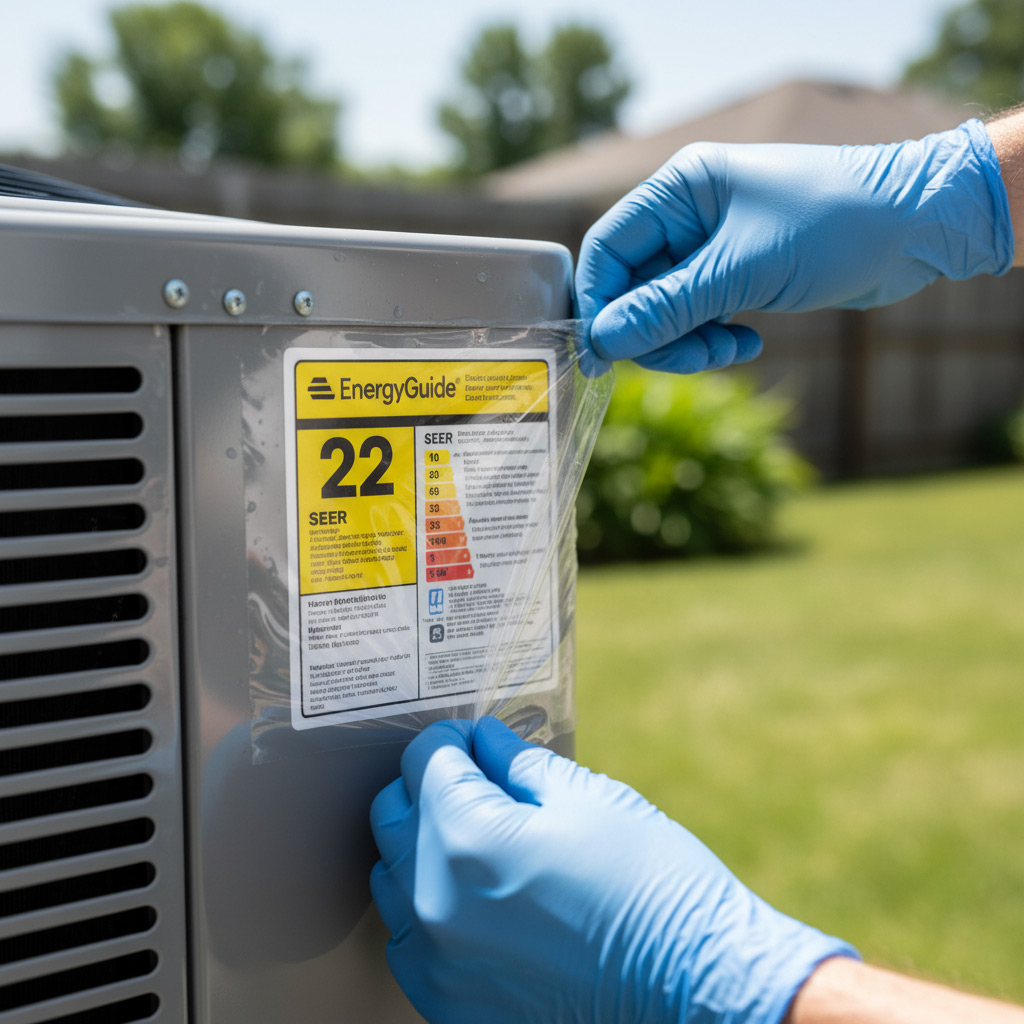
Don’t Let a Cheap Mistake Drain Your Wallet
In Huntington Beach, the difference between a breezy summer and a sweaty nightmare often comes down to who installed your HVAC system and how they did it. One slip‑up during installation can add thousands to your energy bills and force you into costly repairs before the first heat wave hits.
Typical Slip‑ups That Bite
- Mismatched unit size – too big and you waste power, too small and you’re constantly on the brink of overload.
- Skipping the local coastal permits – the city will fine you, and you’ll have to redo the work.
- Choosing a “budget” installer who cuts corners on duct sealing – leaks mean your system works harder for less comfort.
Before you sign any contract, ask for a detailed load calculation, verify the contractor’s licensing for Orange County, and get a written guarantee that covers both the equipment and the workmanship. Those three steps alone can save you a fortune down the road.
Don’t Skip the Load Calculation
Before you even think about picking a brand, you need to know how much cooling and heating your home actually requires. A quick guess can leave you with a unit that’s either gasping for air or blowing ice‑cold drafts nonstop.
Why Proper Sizing Matters
A unit that’s too small will run nonstop, driving up your electric bill and wearing out components early. Conversely, an oversized system short‑cycles, never reaching its optimal efficiency and causing uneven temperatures throughout the house.
- Higher utility costs – the system works harder than it should.
- Reduced lifespan – constant start‑stop stress kills compressors fast.
- Uncomfortable rooms – some spaces stay hot while others stay cold.
In Huntington Beach, the salty sea breeze and coastal humidity make accurate load calculations even more critical. A professional HVAC contractor will use Manual J software to factor in square footage, window orientation, insulation levels, and local climate quirks.
How to Ensure a Correct Load Assessment
Ask your installer for a detailed load report before any equipment is ordered. Look for a written breakdown that shows each room’s BTU requirement and the total system size.
Don’t settle for a “one‑size‑fits‑all” quote. If a contractor pushes a larger unit to boost profit, walk away. The right size saves you money now and keeps your home comfortable for years.
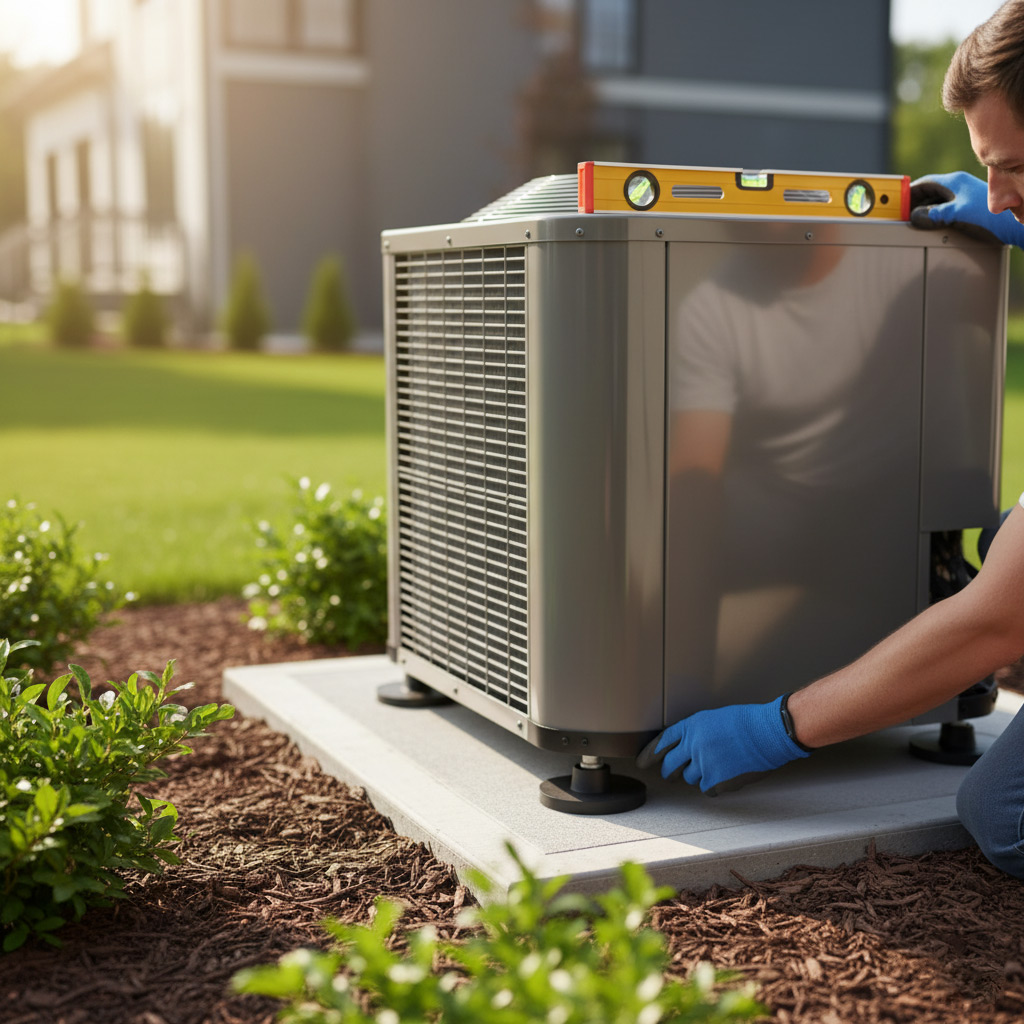
Neglecting Proper Sizing and Load Calculations
Why Size Matters
Choosing a unit that’s too small means it’ll run nonstop, driving up your electric bill and wearing out components before their warranty expires. On the flip side, an oversized system blasts the house with cold air, then shuts off, leaving humidity to linger and mold to set up.
Common Signs You’re About to Overspend
Before the installer even lifts a wrench, ask these quick questions:
- Did they perform a Manual J load calculation specific to your floor plan?
- Are they factoring in Huntington Beach’s coastal humidity and sea‑breeze cooling load?
- Is the recommended BTU range matching the square footage of each zone?
Real‑World Cost Impact
Homeowners who skip the proper sizing step often face:
- Higher utility bills – up to 30% more than a correctly sized system.
- Frequent service calls – short‑cycling forces the compressor to work harder.
- Premature replacement – the unit may need a new heat pump in half the expected lifespan.
Bottom line: a precise load calculation isn’t a luxury; it’s the insurance policy that protects your wallet from hidden expenses. Trust a certified technician who can back up the numbers with a written report, and you’ll avoid the “bigger is better” myth that costs you dearly.
4. Skipping the Proper Load Calculation
When you let a “quick quote” replace a real Manual J load calculation, you’re gambling with your comfort and your wallet. A unit that’s too small will run nonstop, while an oversized system will short‑cycle and waste energy. In Huntington Beach’s salty breezes, that mistake shows up fast as a sweaty living room or a frosty bedroom.
Why the Numbers Matter
Accurate sizing isn’t a luxury; it’s a requirement. A proper load calculation takes into account:
- Square footage and ceiling height
- Window orientation and shading
- Insulation levels and local sea‑air humidity
- Occupancy patterns and appliance heat gain
Ignore any of those, and you’ll see higher utility bills, premature wear, and a system that never feels “just right.”
How to Avoid the Pitfall
Hire a certified HVAC contractor who insists on a written Manual J report before any equipment is ordered. Don’t settle for a verbal estimate. Ask to see the calculation sheet; a reputable pro will gladly share it.
When you compare quotes, look for the one that references the exact BTU load, not a generic “5‑ton unit.” That’s the difference between a smart investment and a costly regret.
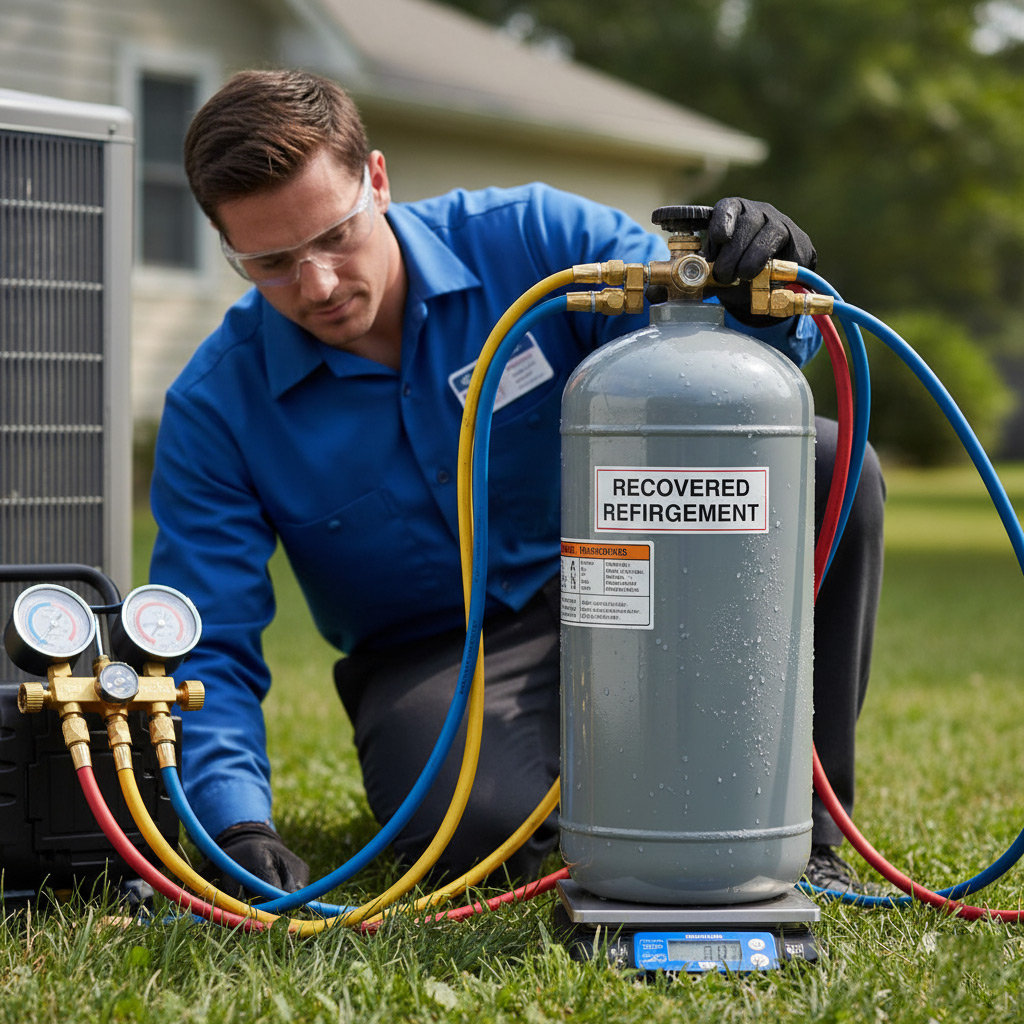
5. Forgetting to Seal Ducts Properly
Why duct sealing matters
Leaky ducts are a silent money‑sucker. Every ounce of conditioned air that escapes forces your new HVAC unit to work harder, spiking your electric bill before you even notice a difference in comfort.
In Huntington Beach, the salty breeze can corrode exposed joints faster than you think. A well‑sealed system keeps the salty air out, the cool air in, and your warranty intact.
Common sealing slip‑ups
Homeowners often assume “duct tape” will do the trick. It doesn’t. Tape degrades under temperature swings, leaving gaps that grow over time.
- Using foil tape instead of UL‑listed mastic or foil‑backed tape.
- Skipping the inspection of hidden runs behind walls or in the attic.
- Relying on the installer’s “quick fix” without a pressure test.
Ask your contractor for a duct leakage test before they seal anything. A simple blower door test will reveal the exact loss percentage, and a professional will seal with the right materials—usually a combination of mastic and metal‑clad tape.
Quick steps to protect your investment
When the crew finishes, walk the house and look for these red flags:
- Visible gaps at register connections.
- Loose or missing insulation around ducts.
- Any “quick‑fix” tape that looks like it’s about to peel.
If you spot any of the above, demand a re‑seal on the spot. It’s a small ask that saves you hundreds in energy waste and prevents premature system failure.
6. Skipping the Ductwork Seal Check
Leaky ducts are the silent thieves of your HVAC budget. In Huntington Beach, salty air can corrode seams faster than you think, letting conditioned air escape before it reaches your living room.
Why Duct Leaks Cost You
- Higher energy bills – your system works harder to compensate for lost airflow.
- Uneven temperatures – rooms become hot spots while others stay chilly.
- Shortened equipment life – extra strain accelerates wear and tear.
Before the installer leaves, demand a pressure test. A simple blower door test will reveal any gaps, and a qualified tech can seal them with mastic or UL‑rated tape. It’s a quick step that saves you thousands over the life of the unit.
Quick Duct‑Seal Checklist
- Inspect visible joints for cracks or loose connections.
- Check for condensation buildup – a sign of poor sealing.
- Ask for a written seal‑verification report.
When you walk away with a fully sealed duct system, you’ll feel the difference the first time the ocean breeze rolls in. Your wallet stays fat, and your comfort stays consistent.
7. Forgetting to Seal and Insulate Ductwork
Leaky ducts are the silent money‑suckers of any new HVAC system. In Huntington Beach, the salty breeze can infiltrate unsealed joints, forcing the unit to work harder just to keep your home comfortable. The result? Higher electric bills and a shorter lifespan for your pricey equipment.
Why Duct Sealing Matters
When air escapes before it reaches its destination, you lose up to 30 % of heating or cooling efficiency. That’s money you’ll never see again. Proper sealing also prevents moisture buildup, which can lead to mold growth—something no homeowner wants on the coast.
Quick Fix Checklist
- Inspect every connection with a smoke pencil or a simple incense stick.
- Apply UL‑rated foil tape or mastic to all seams; avoid the cheap cloth‑type duct tape.
- Wrap exposed ducts in insulated jackets, especially in attics and crawl spaces.
- Schedule a professional pressure test before the system powers up.
Skipping these steps is like buying a sports car and never changing the oil. You’ll feel the sting the first time the thermostat fights back. For a full rundown of installation best practices, check out our HVAC Installation guide.
People Also Ask
What are the most common HVAC installation mistakes in Huntington Beach?
Improper sizing, incorrect ductwork design, and neglecting local building codes are the top errors. These issues can lead to reduced efficiency, higher energy bills, and costly repairs.How can I ensure my HVAC system is properly sized for my home?
Hire a certified HVAC contractor to perform a Manual J load calculation. This assessment considers square footage, insulation, window orientation, and local climate to select the right unit.Why is proper duct sealing important during installation?
Leaky ducts can lose up to 30% of conditioned air, forcing the system to work harder. Sealing ducts with mastic or UL‑listed tape improves airflow and reduces energy consumption.What local permits are required for HVAC installation in Huntington Beach?
The City of Huntington Beach requires a mechanical permit and inspection for new installations or major modifications. A licensed contractor will handle the paperwork to keep the project compliant.How can I avoid hidden costs when hiring an HVAC installer?
Request a detailed, written estimate that breaks down labor, equipment, permits, and any additional work. Verify the contractor’s license, insurance, and read reviews to prevent surprise fees.
Huntington Beach HVAC brings over 15 years of certified service to homes and businesses throughout Huntington Beach, CA. Their team of licensed technicians specializes in energy‑efficient heating and cooling solutions tailored to the coastal climate. Committed to responsive, local support, they prioritize comfort and reliability for the community.
Need HVAC?
We provide fast, results‑driven solutions for homes and businesses in Huntington Beach and nearby ZIPs (92646, 92648, 92649, 92618, 92615). Our team completes projects on schedule, so you can move forward without delay.
Get HVAC Quote